Blog
Resources for logistics operations
Practical guides on ERP, WMS and TMS for companies operating in Mexico.
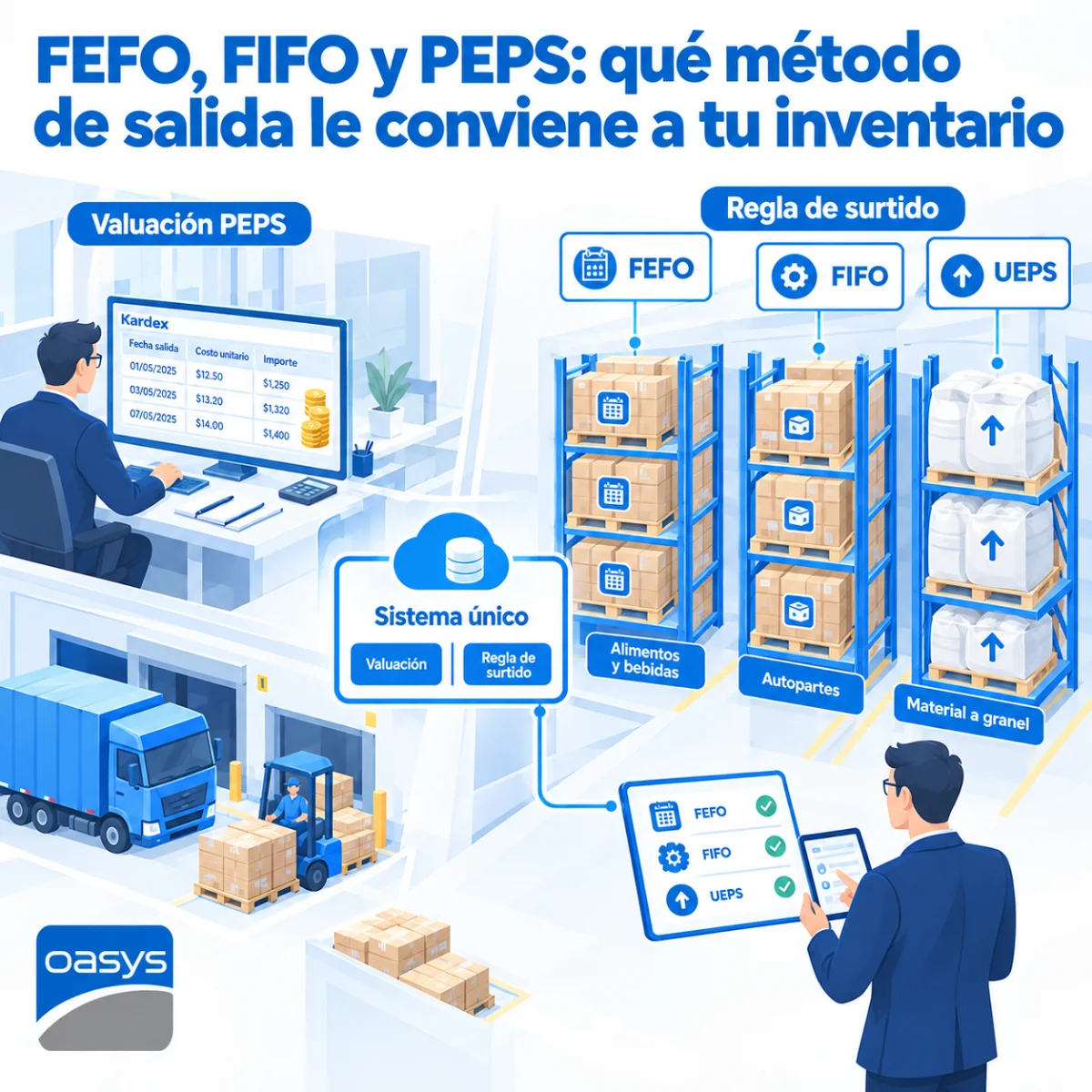
FEFO, FIFO and PEPS: Which Stock Rotation Method Fits Your Inventory?
FIFO and PEPS name the same method: what came in first goes out first. FEFO ships first what expires first and takes priority for products with lots and expiration dates. The choice depends on how your product ages.
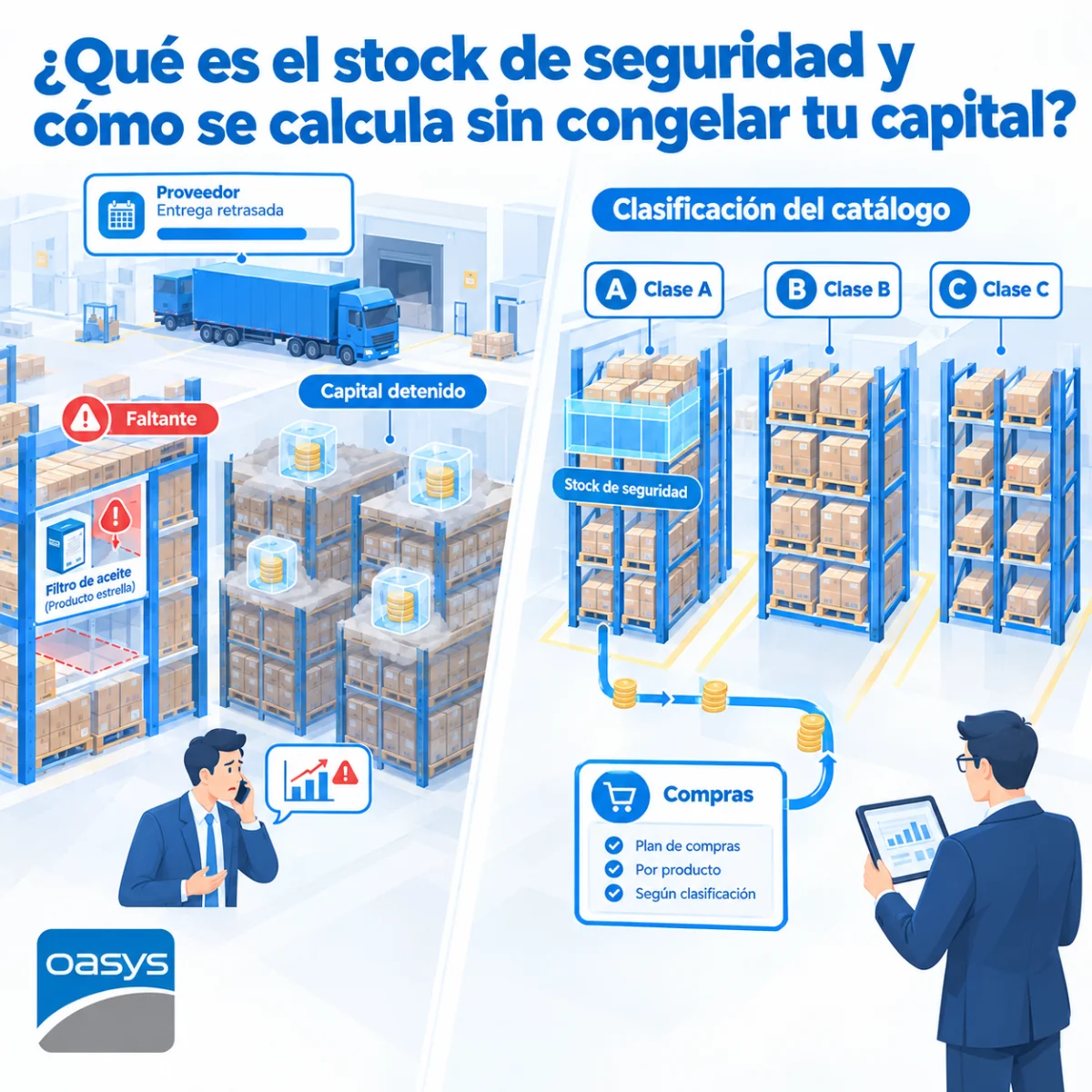
What Is Safety Stock and How Do You Calculate It Without Tying Up Your Capital?
Safety stock is the extra inventory that covers variation in demand and lead time. It is calculated product by product using demand, its variability, lead time and service level.
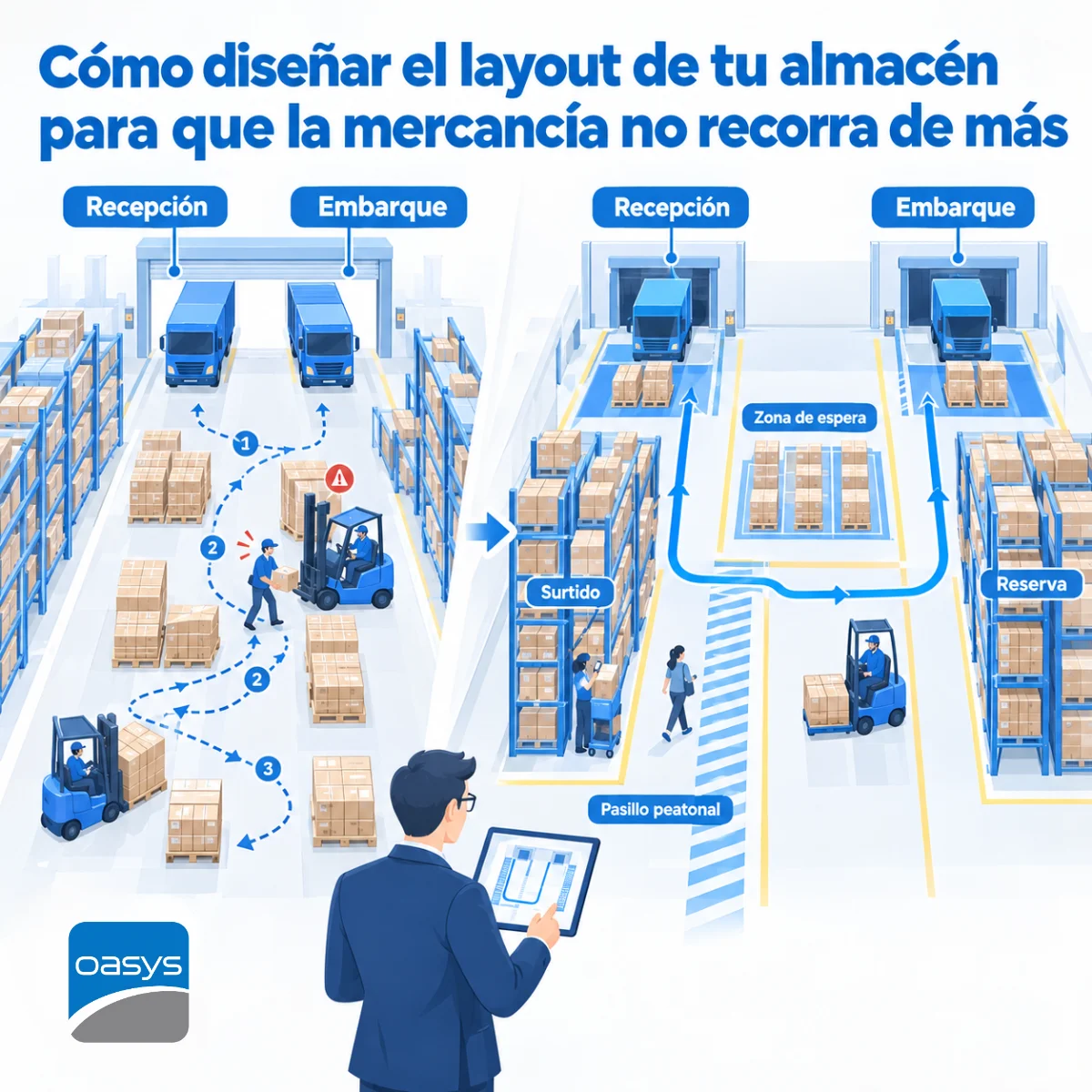
How to Design Your Warehouse Layout So Goods Stop Traveling More Than They Should
A warehouse layout defines where each zone goes and how goods move from receiving to shipping. A good design follows the order of the process, separates traffic flows and leaves room to grow.
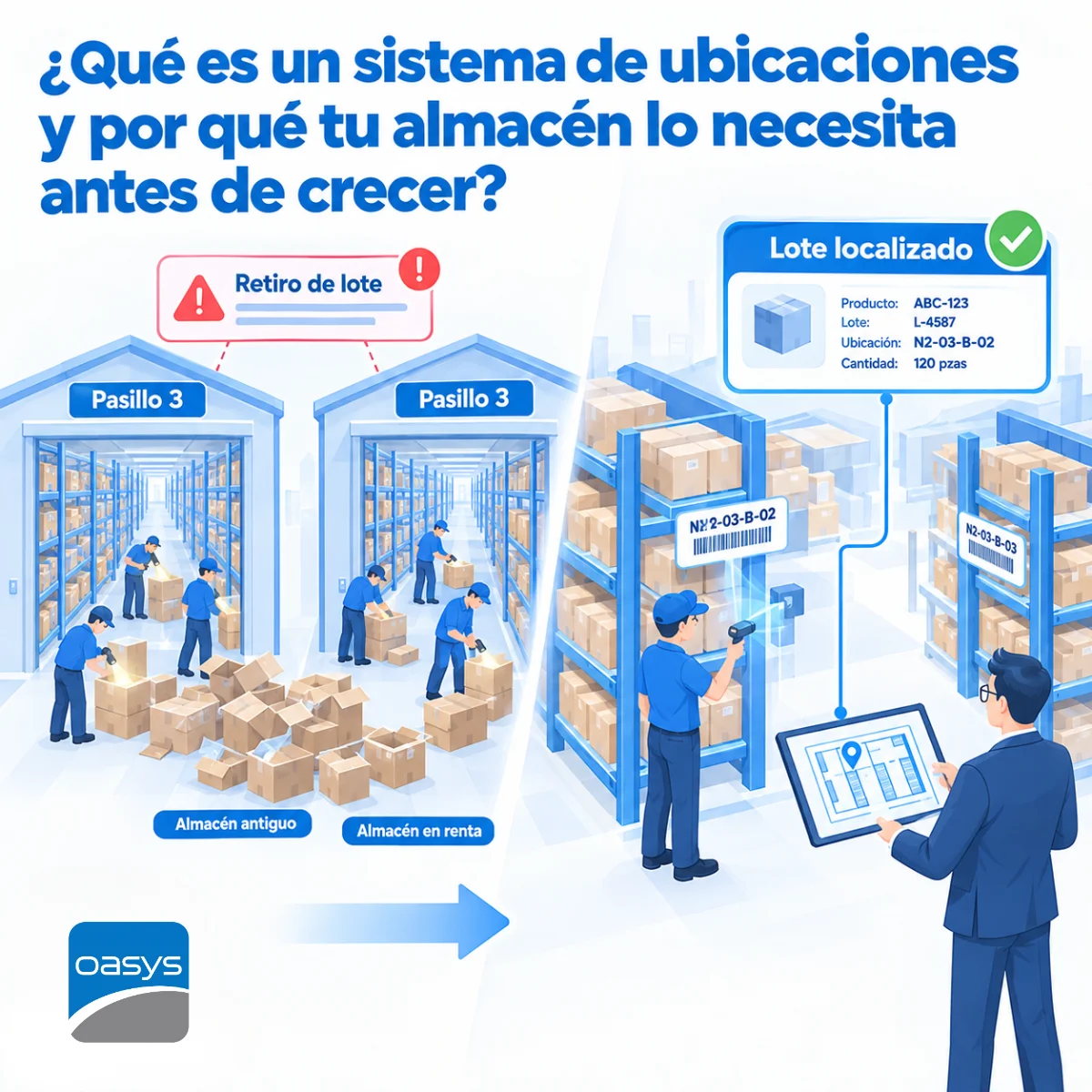
What Is a Location System and Why Does Your Warehouse Need One Before It Grows?
A location system assigns a unique code to every physical space in the warehouse and records in the WMS which product, lot and quantity it holds. Putting it in place before you grow keeps every new square meter from adding lost inventory.
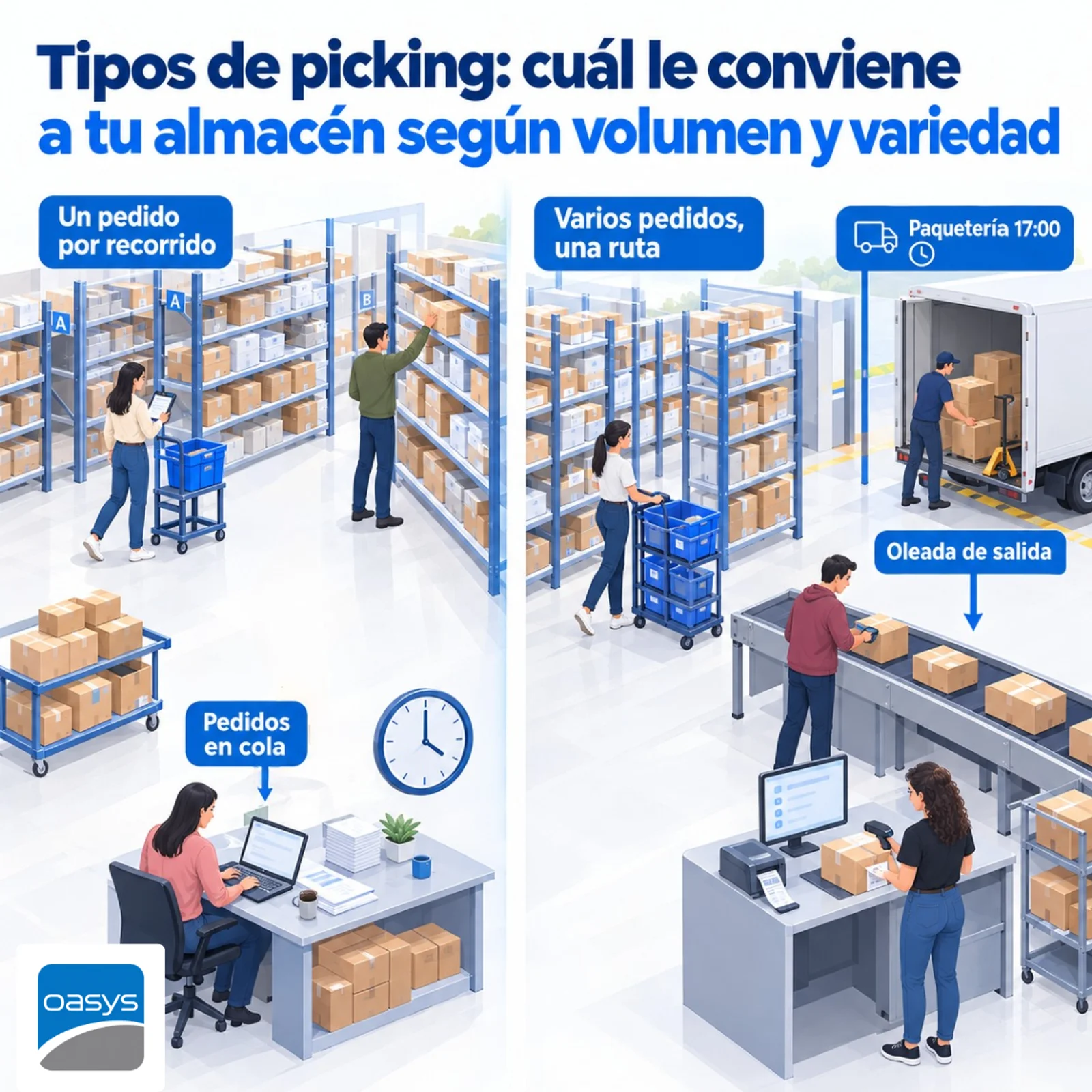
Types of Picking: Which One Fits Your Warehouse Based on Volume and Variety
The right picking method depends on how many orders your warehouse fills, how many lines each one carries and how many SKUs it handles. Discrete, batch, zone and wave picking solve different profiles and can be combined.
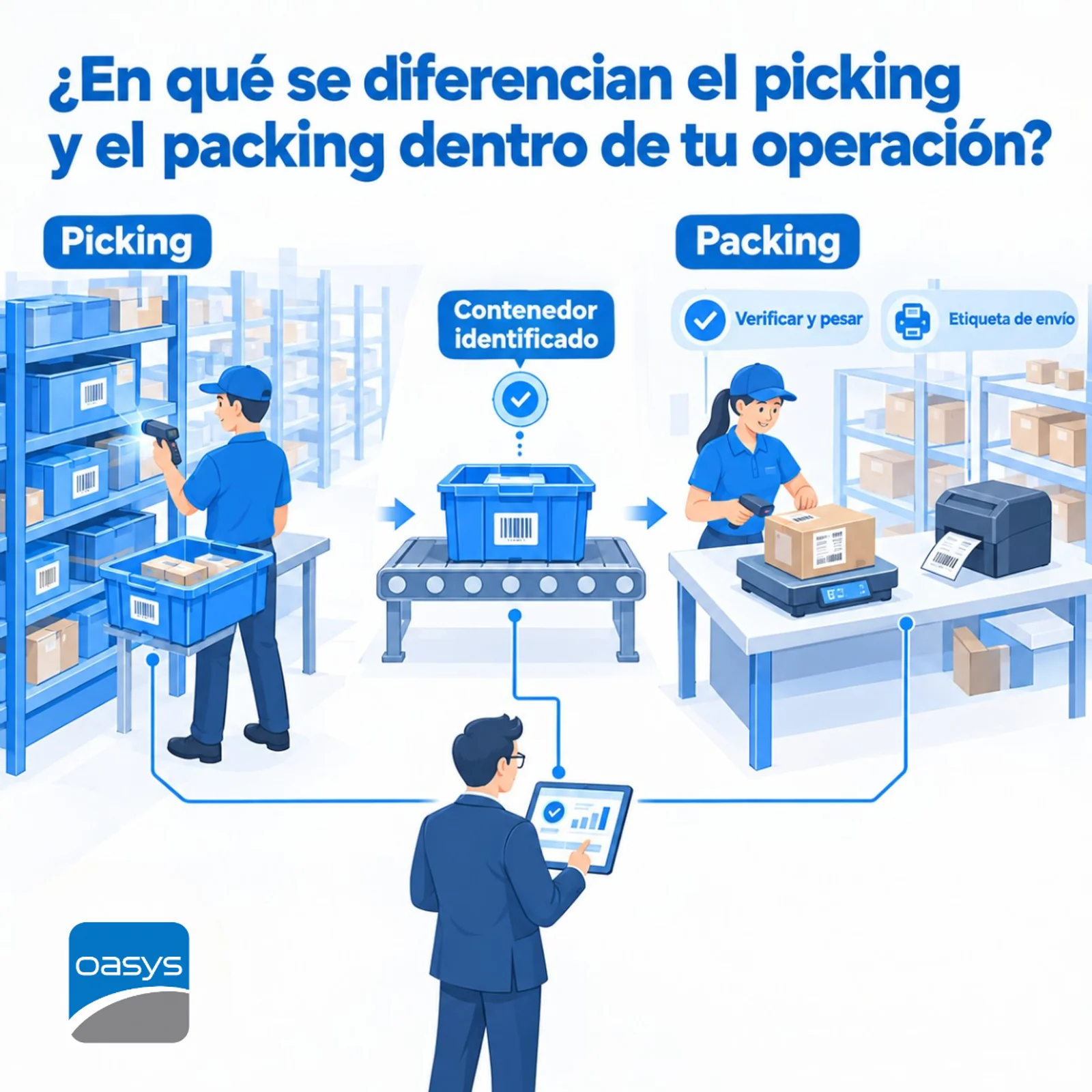
How Do Picking and Packing Differ Within Your Operation?
Picking pulls the products for each order out of the warehouse; packing verifies, protects, packs and labels them for shipment. Each stage has its own errors and controls, and so does the handoff between them.
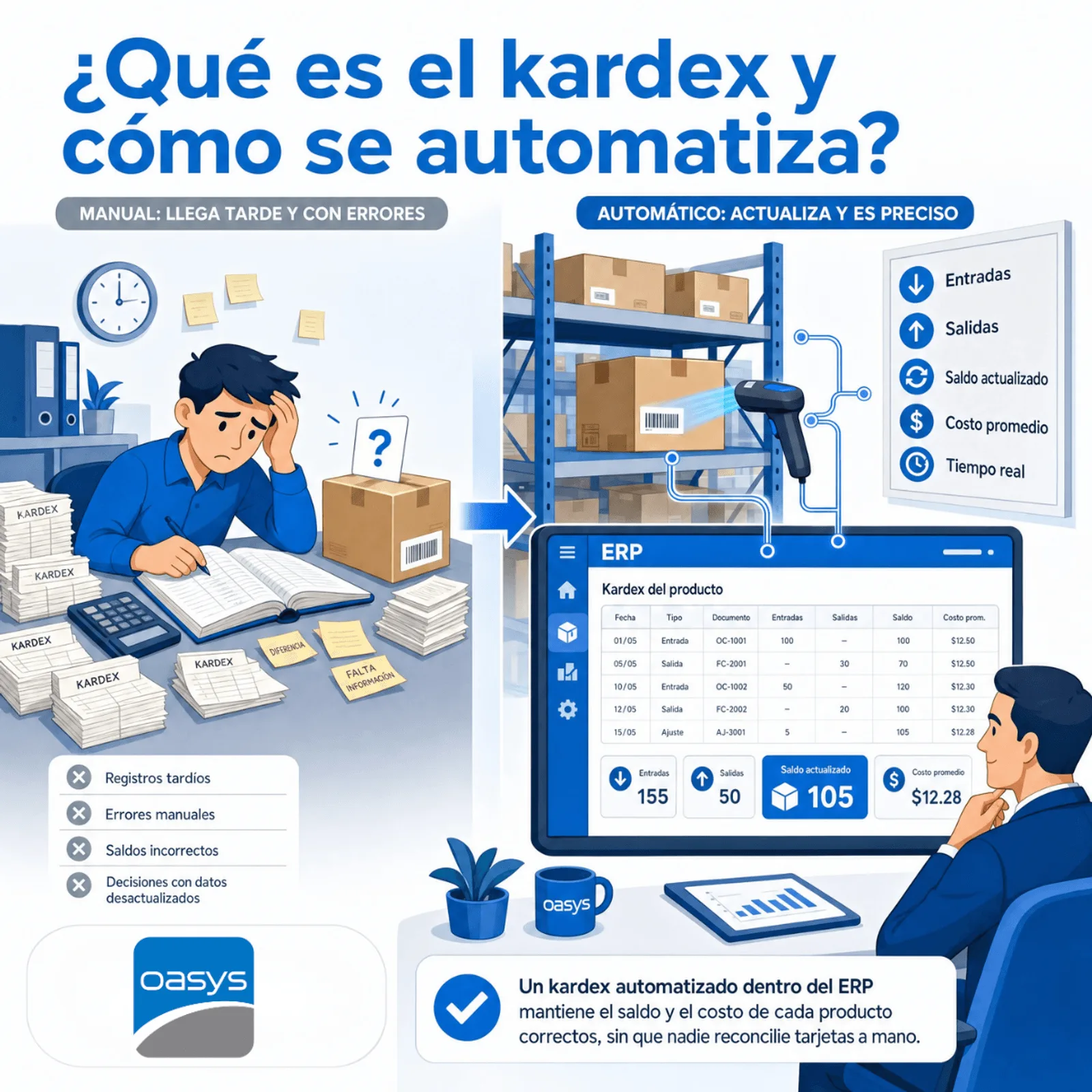
What Is a Kardex and How Do You Automate It?
The kardex is the chronological record of every receipt and issue of a product, with its quantity, its cost and the resulting balance. Automating it means every movement updates it instantly, valued and reconciled with accounting.
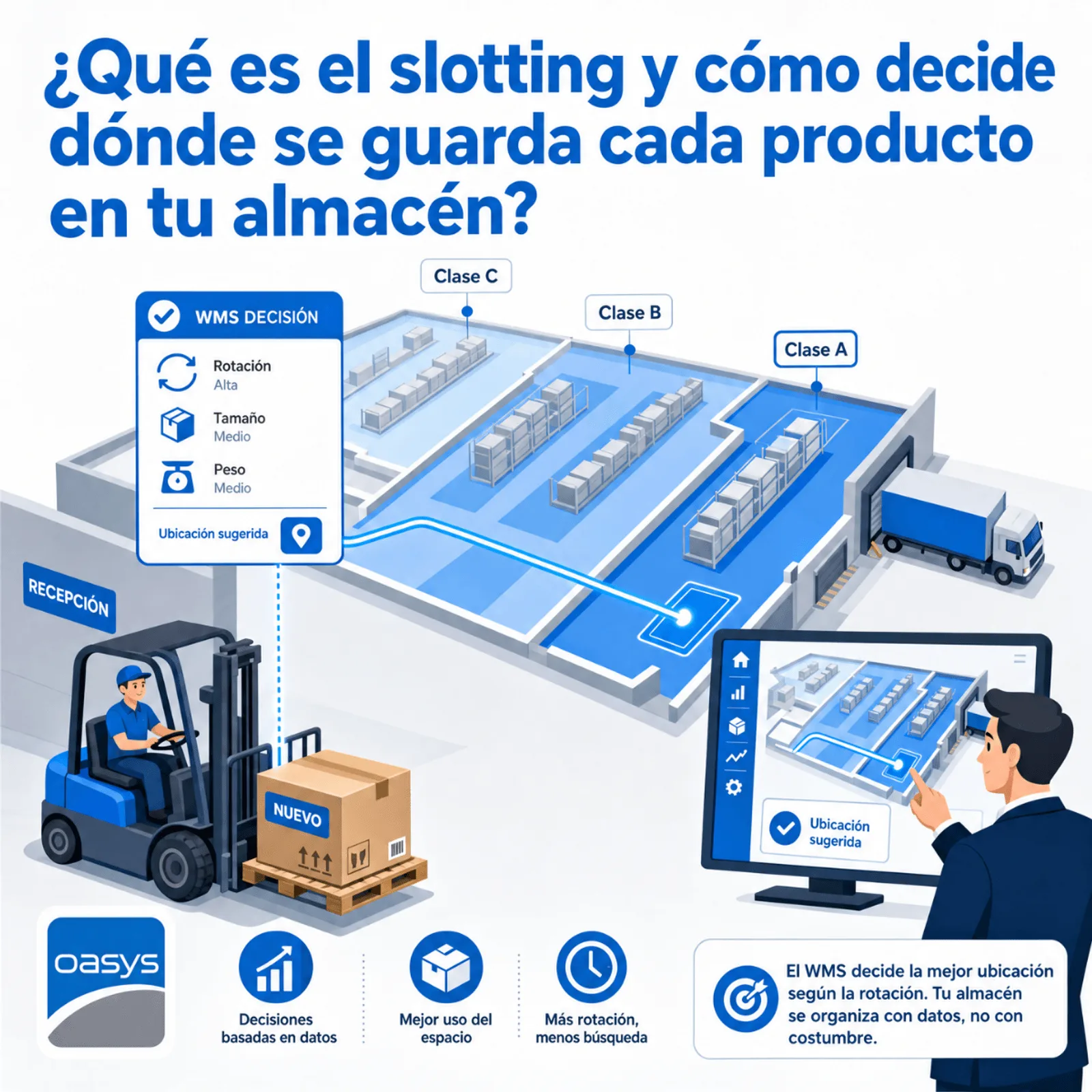
What Is Slotting and How Does It Decide Where Each Product Goes in Your Warehouse?
Slotting assigns each product the location it belongs in based on its pick frequency, its size, its weight and its relationship with other products. A WMS turns those rules into a suggested location from the moment goods are received.
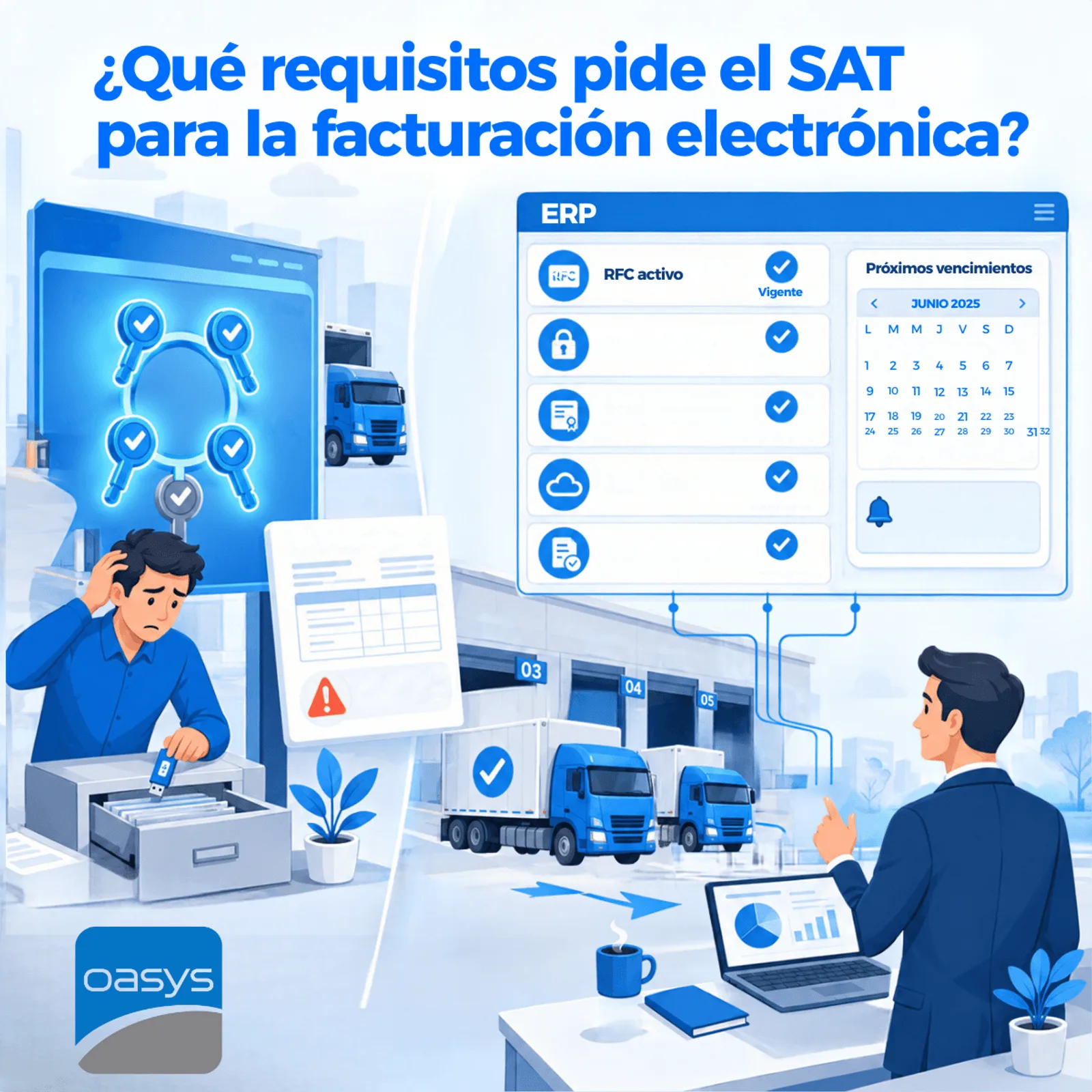
What Does the SAT Require for Electronic Invoicing in Mexico?
To invoice you need an active RFC, a valid e.firma, a digital seal certificate, an authorized certification provider (PAC) and exact tax data on every invoice. Your ERP should monitor all of these requirements before stamping fails.
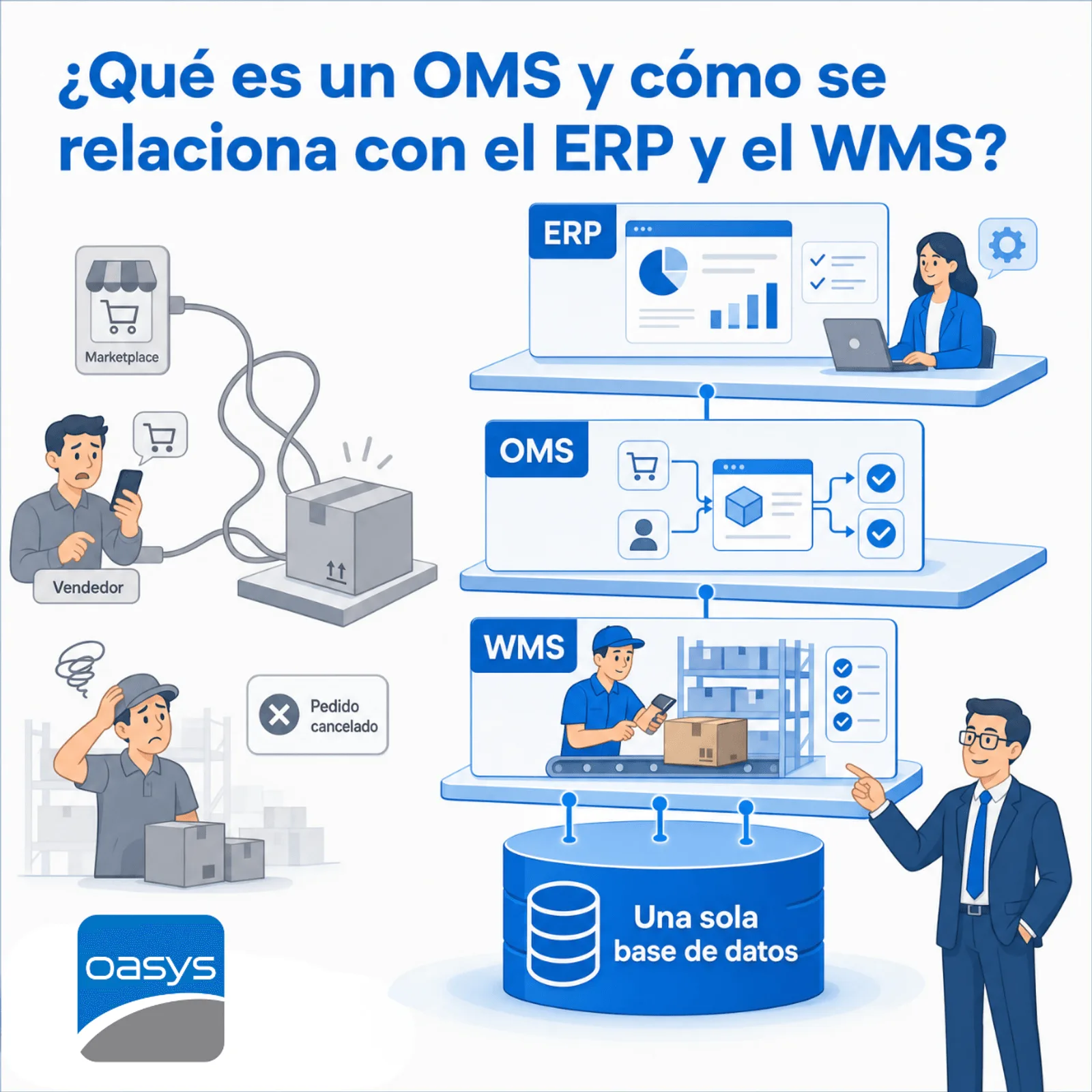
What Is an OMS and How Does It Relate to the ERP and the WMS?
An OMS governs the order: it receives it from every channel, promises against real inventory, decides where it ships from and tracks its status. The ERP supplies customer, price and invoice; the WMS carries out the picking.
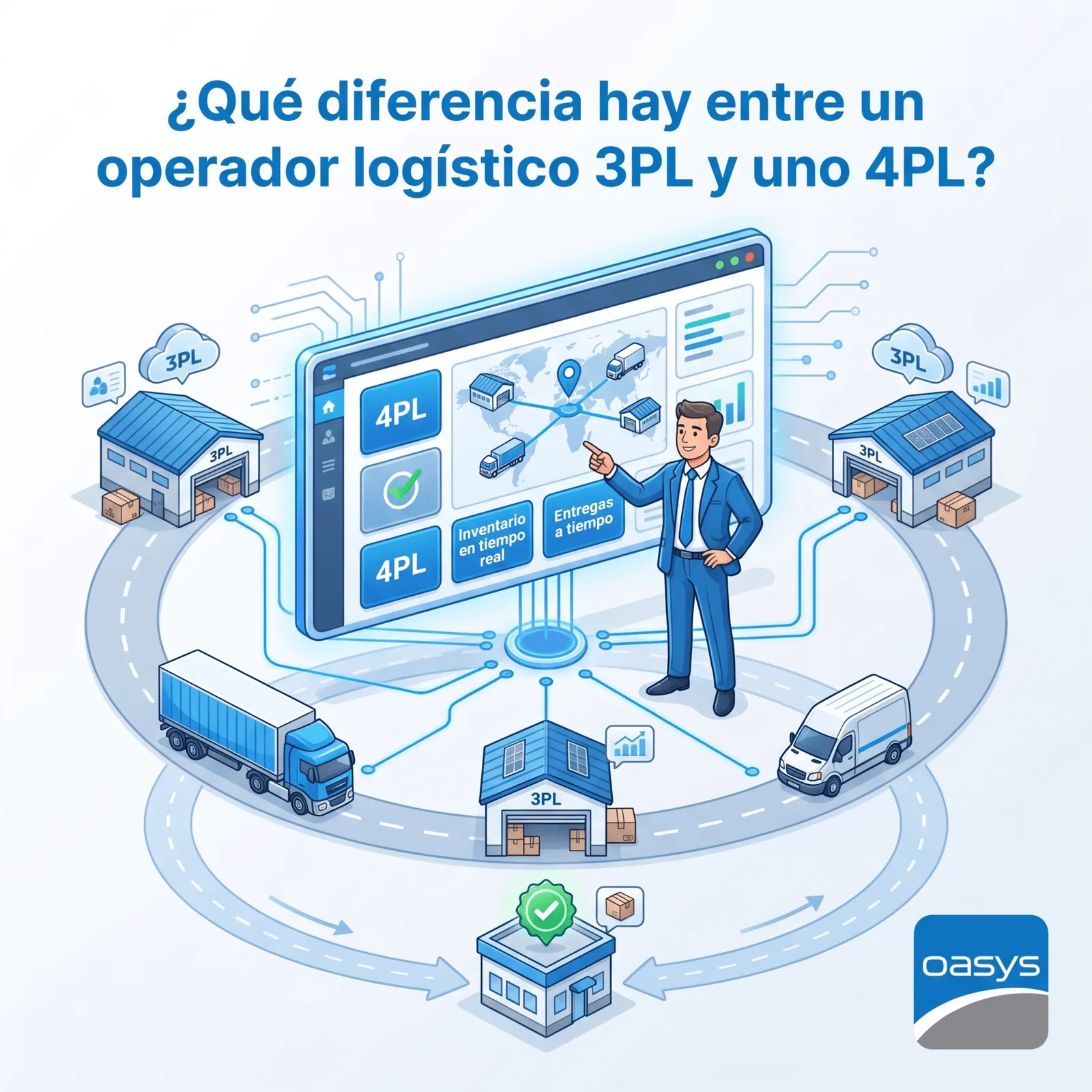
What Is the Difference Between a 3PL and a 4PL Logistics Provider?
A 3PL executes with its own assets: it stores, moves and delivers. A 4PL operates no assets; it designs, coordinates and controls your entire chain, 3PLs included, and answers for the complete result. The difference is who sees and governs the whole.
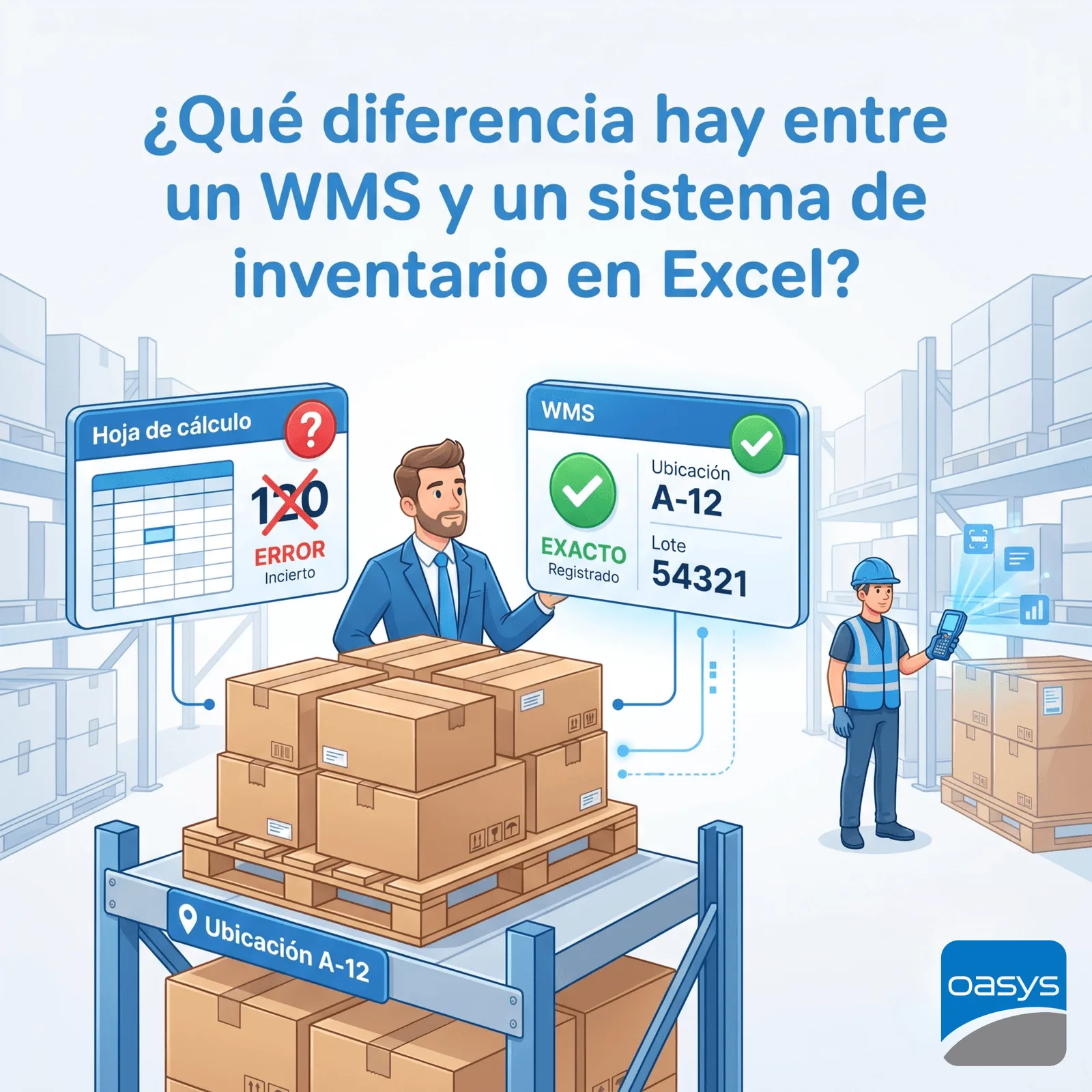
What Is the Difference Between a WMS and an Excel Inventory System?
Excel records what someone types in after it happened. A WMS directs what happens in the warehouse as it happens: locations, receipts, picks and counts, with every movement recorded by the person doing it, at the moment they do it.
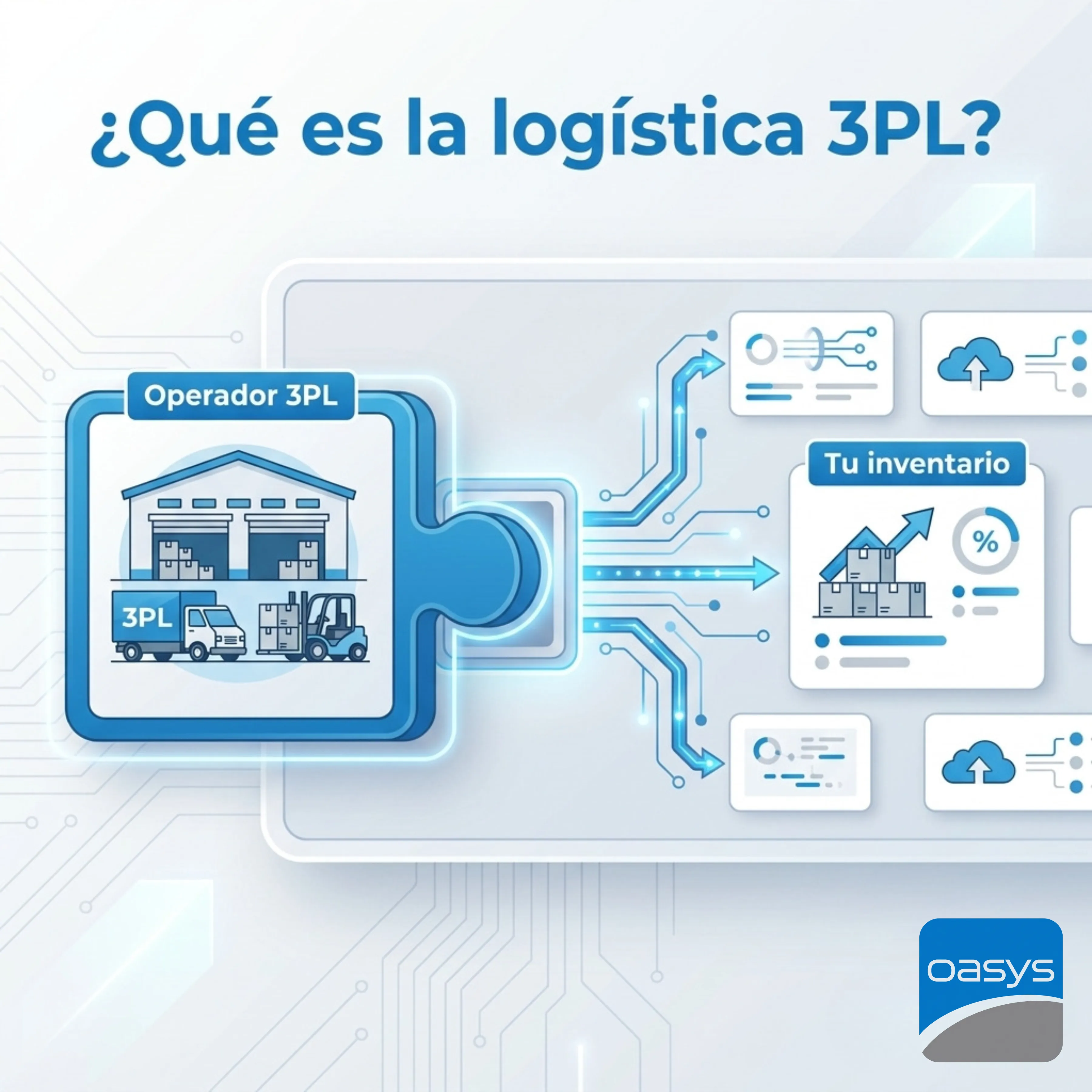
What Is 3PL Logistics?
3PL logistics is the outsourcing of warehousing, transportation, and distribution to a specialized operator that runs those processes with its own infrastructure, staff, and systems, under the service metrics your company defines.
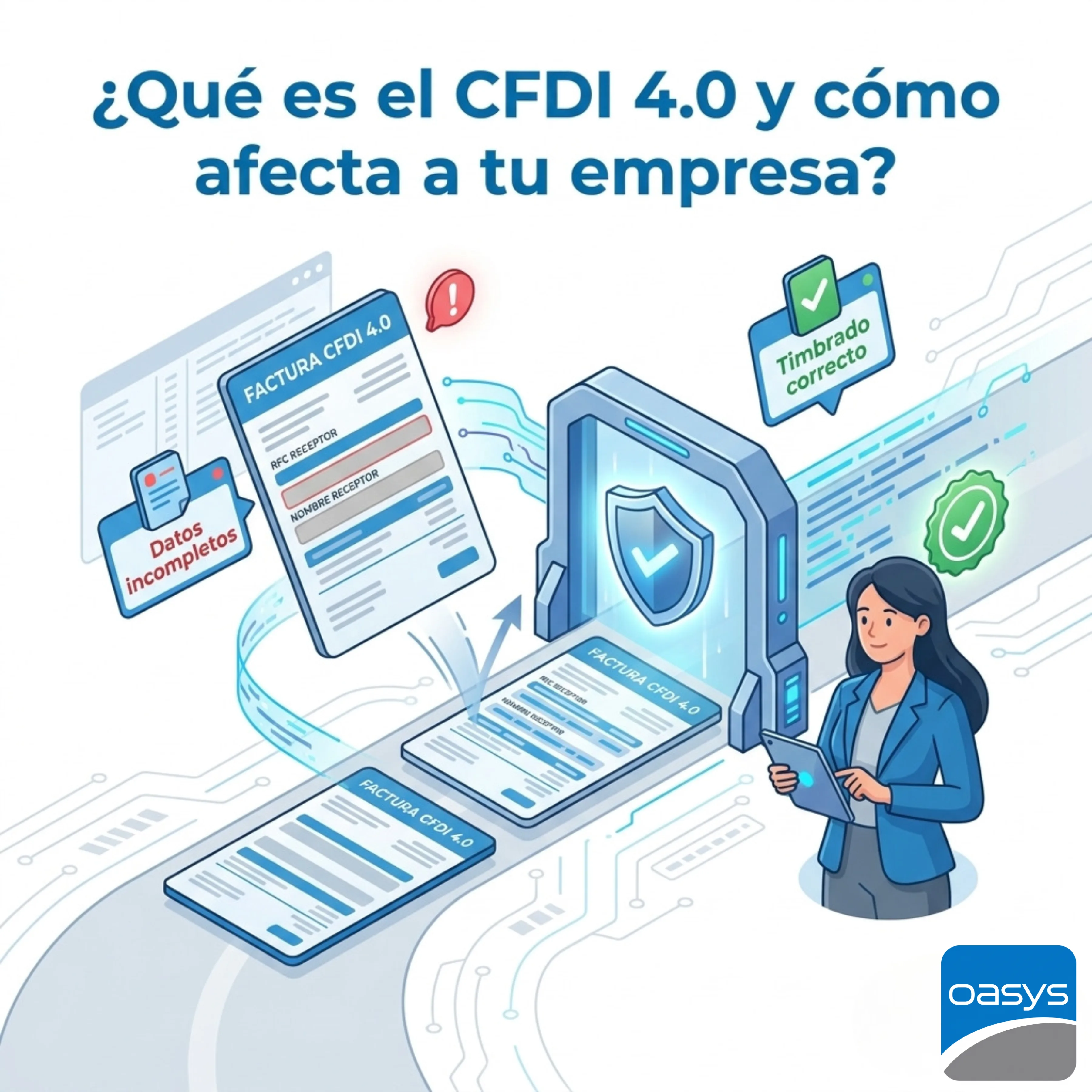
What Is CFDI 4.0 and How Does It Affect Your Company?
CFDI 4.0 is the current version of the SAT digital tax invoice. It requires exact recipient data, validates that information against the authority's records, and rejects the stamping whenever there is any discrepancy.
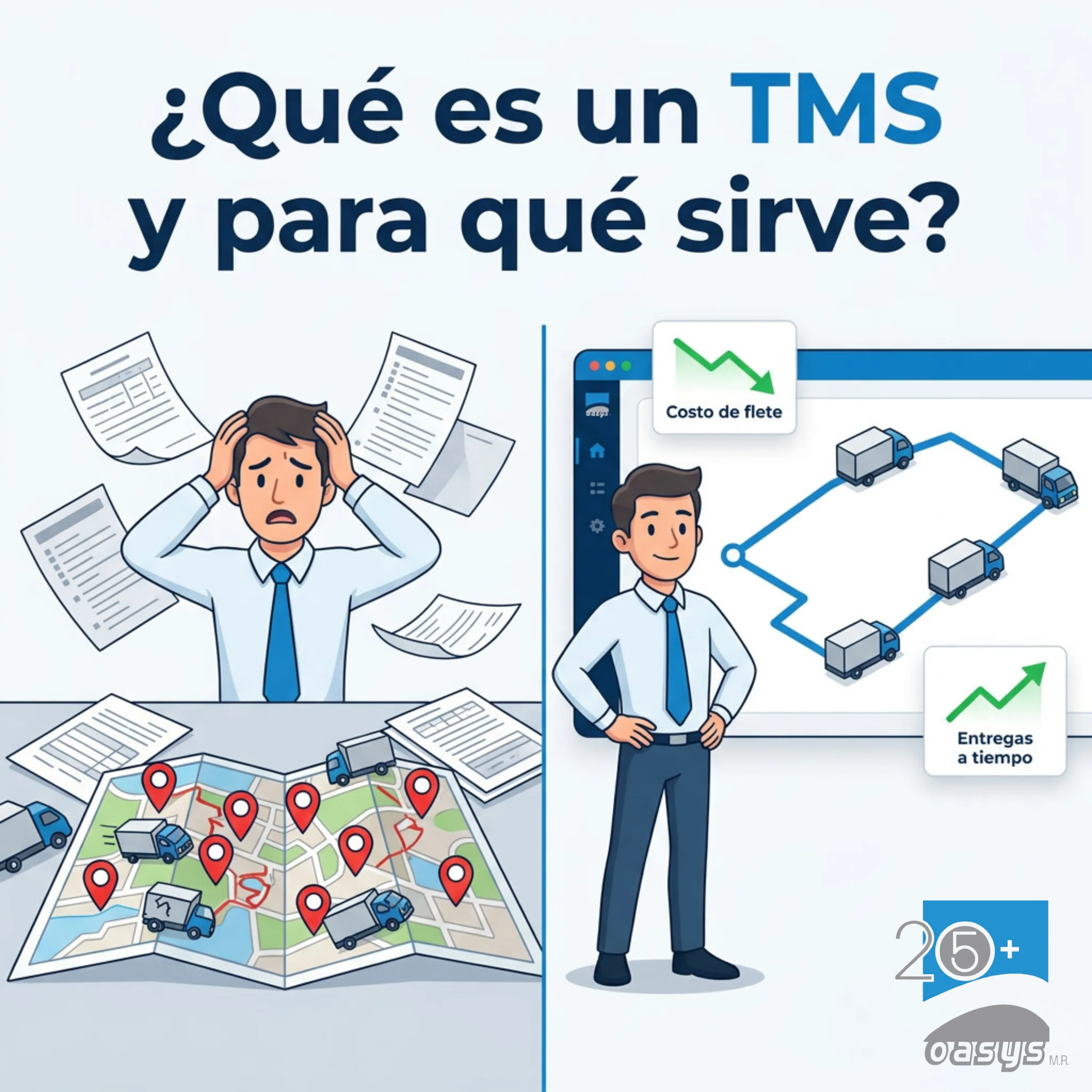
What Is a TMS and What Is It For?
A TMS (Transportation Management System) plans routes, consolidates loads, controls freight costs, and gives you real-time visibility of every shipment, from the moment it leaves the warehouse until it is delivered.
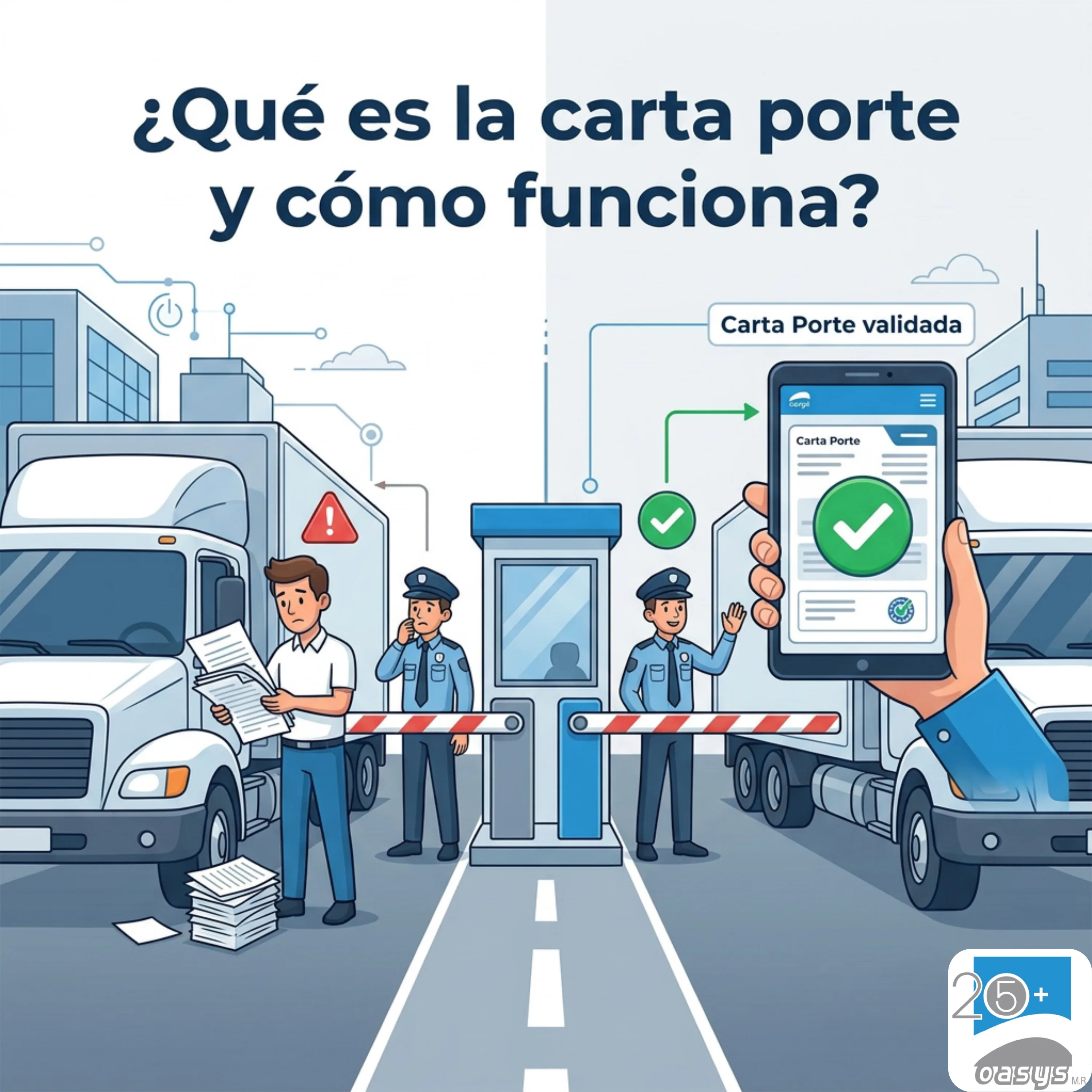
What Is the Carta Porte and How Does It Work?
The carta porte is the SAT Complemento Carta Porte, an attachment to the CFDI that documents the movement of goods within Mexico and is mandatory for carriers and companies with their own or contracted fleets.
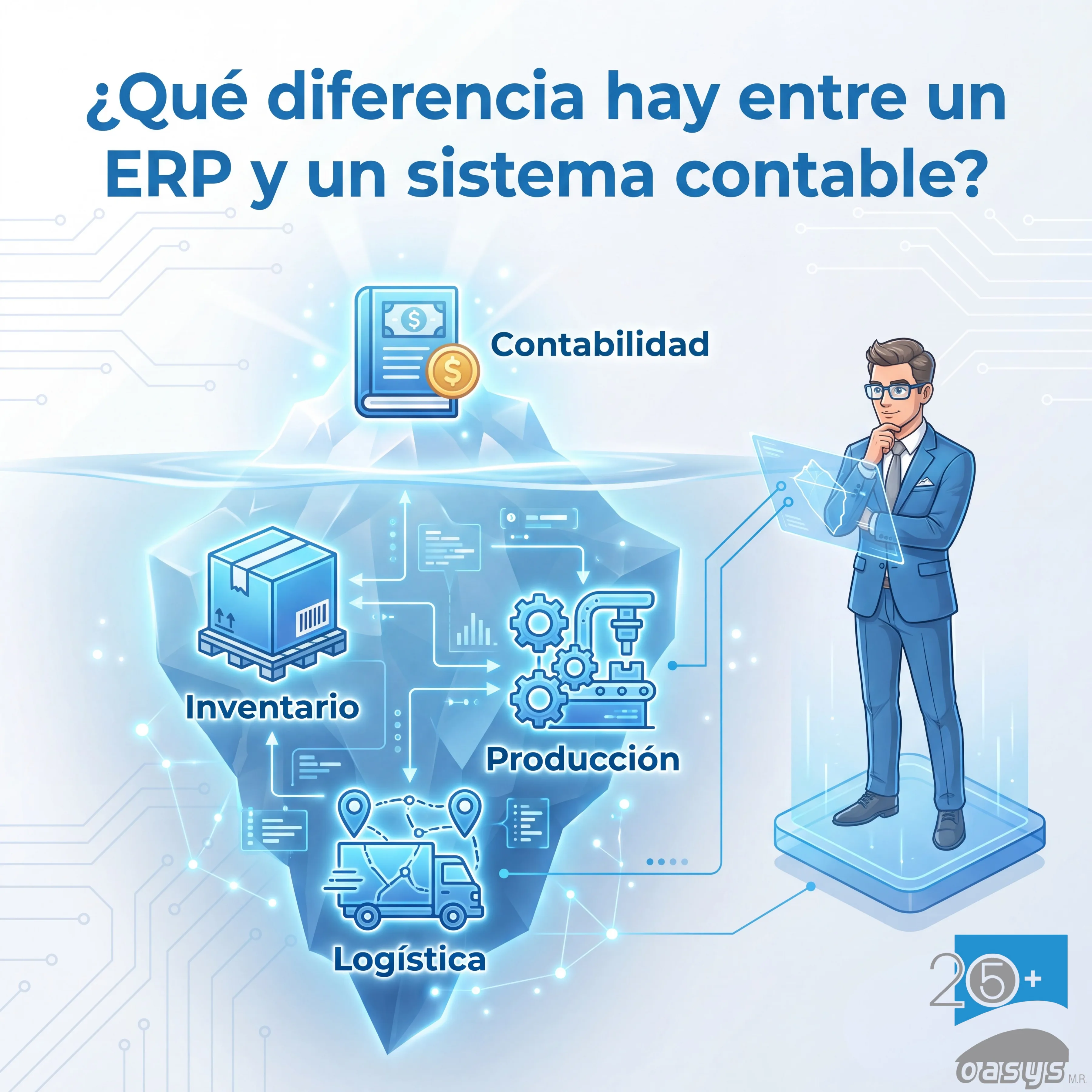
What Is the Difference Between an ERP and an Accounting System?
An accounting system records what already happened. An ERP connects that information with inventory, production, and logistics in real time, so you can act before the problem reaches the balance sheet.
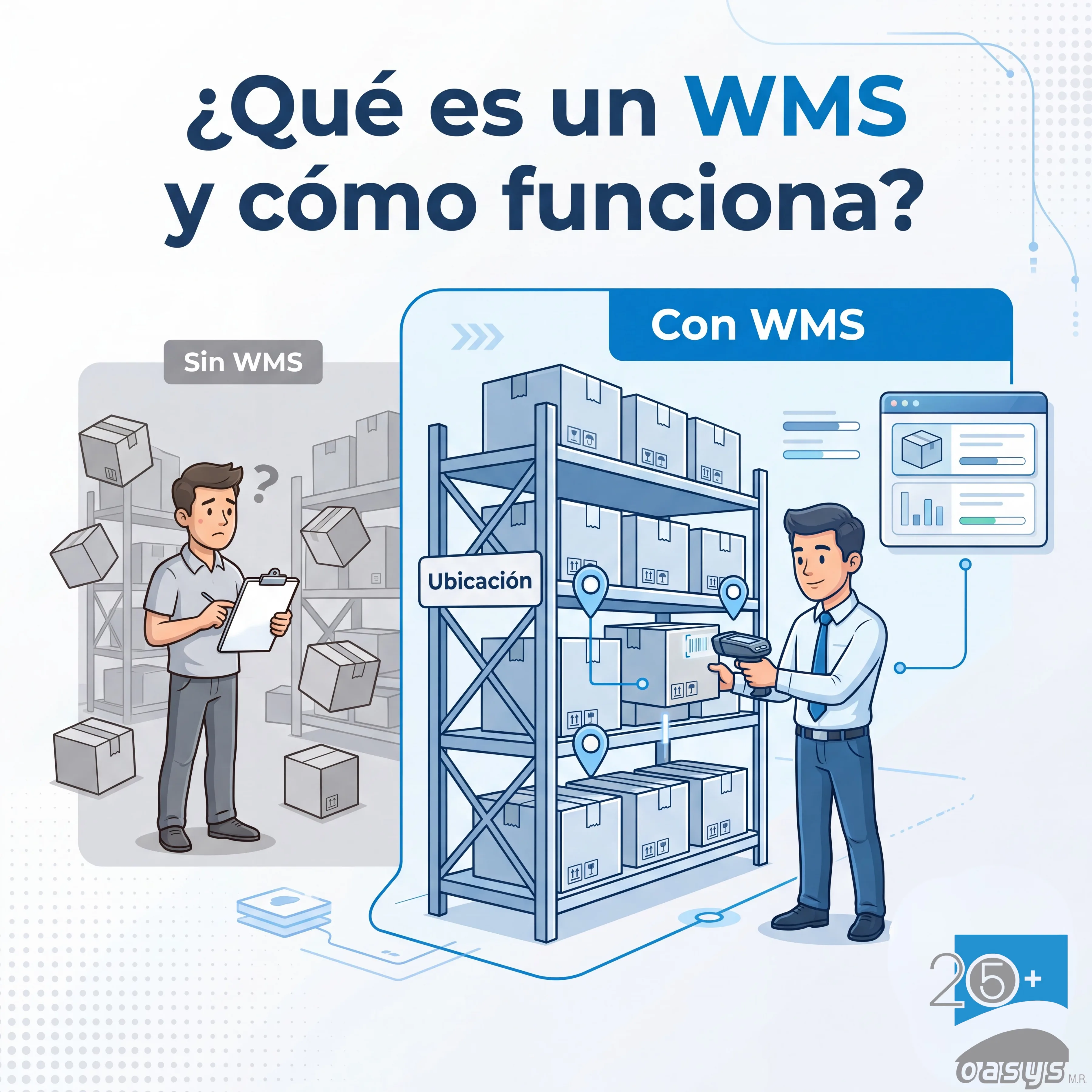
What Is a WMS and How Does It Work?
A WMS (Warehouse Management System) controls every movement inside your warehouse: where each product comes in, where it is stored, and how it goes out, in real time and without relying on an operator’s memory.
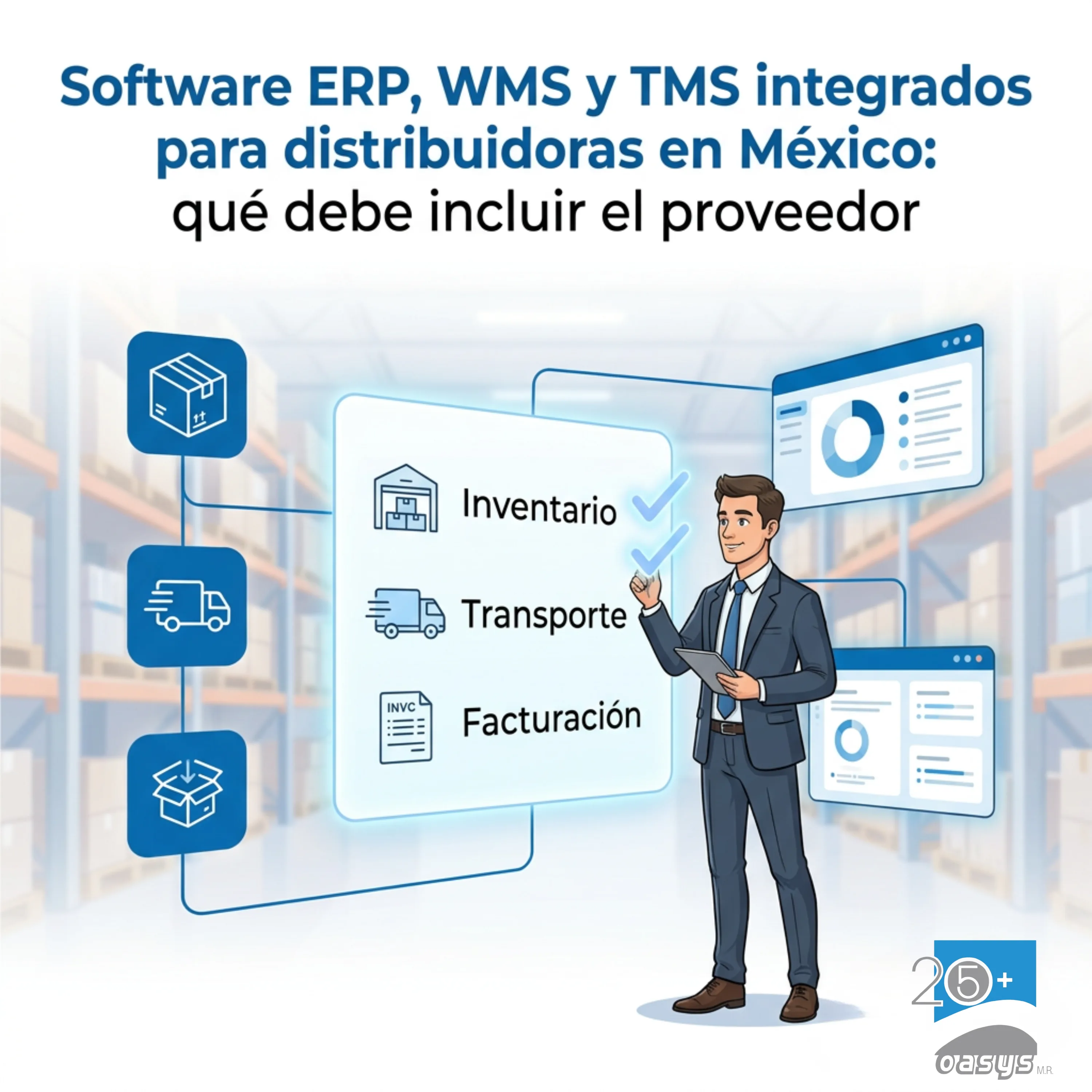
Integrated ERP, WMS, and TMS Software for Distributors in Mexico: What Your Provider Should Include
A distributor running ERP, WMS, and TMS connected in a single system eliminates discrepancies between inventory, invoicing, and delivery routes. What your provider needs to guarantee before you sign.
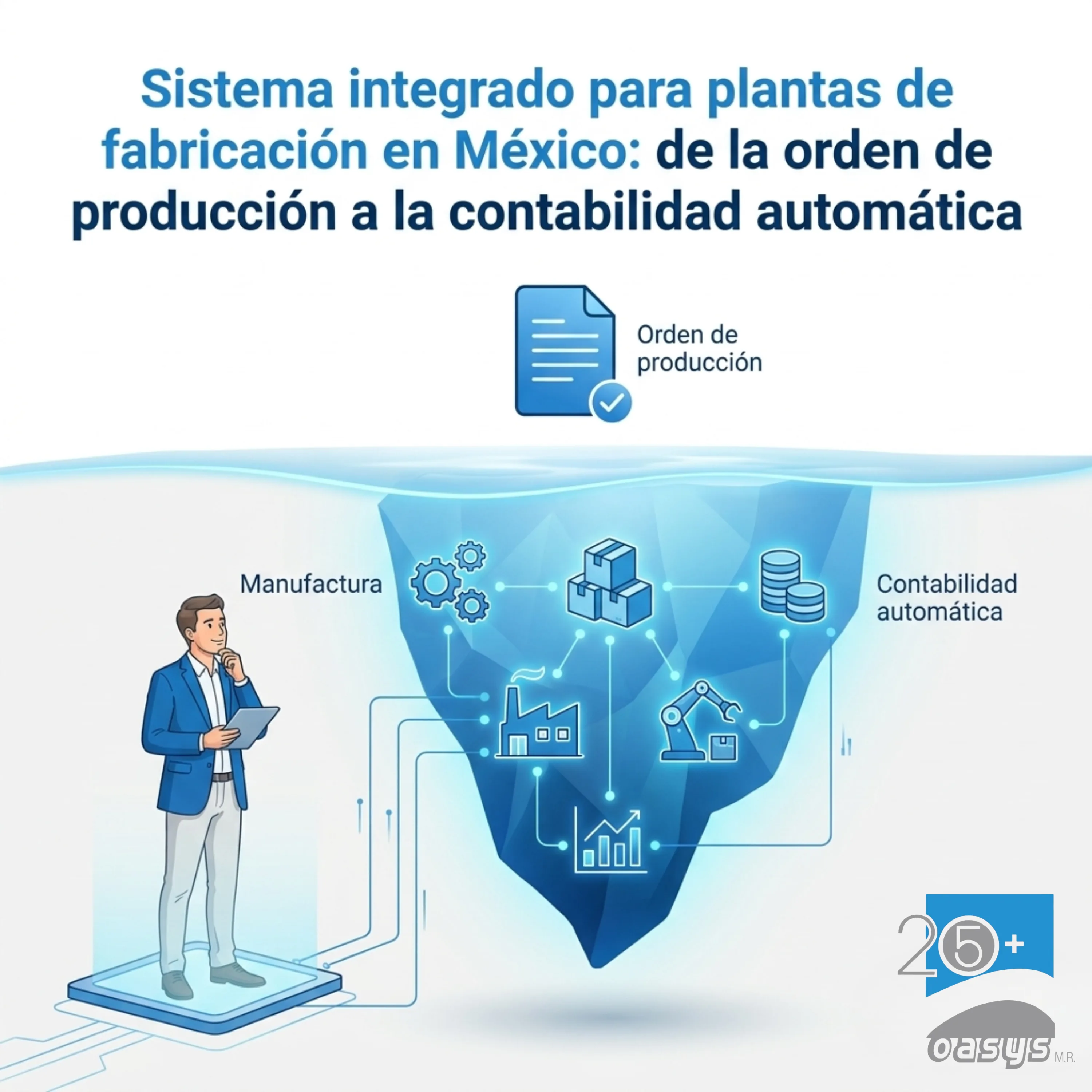
Integrated System for Manufacturing Plants in Mexico: From the Production Order to Automatic Accounting
A plant that connects the production order, the warehouse, and accounting in a single system eliminates double data entry and delivers the cost of every batch without delayed closings.
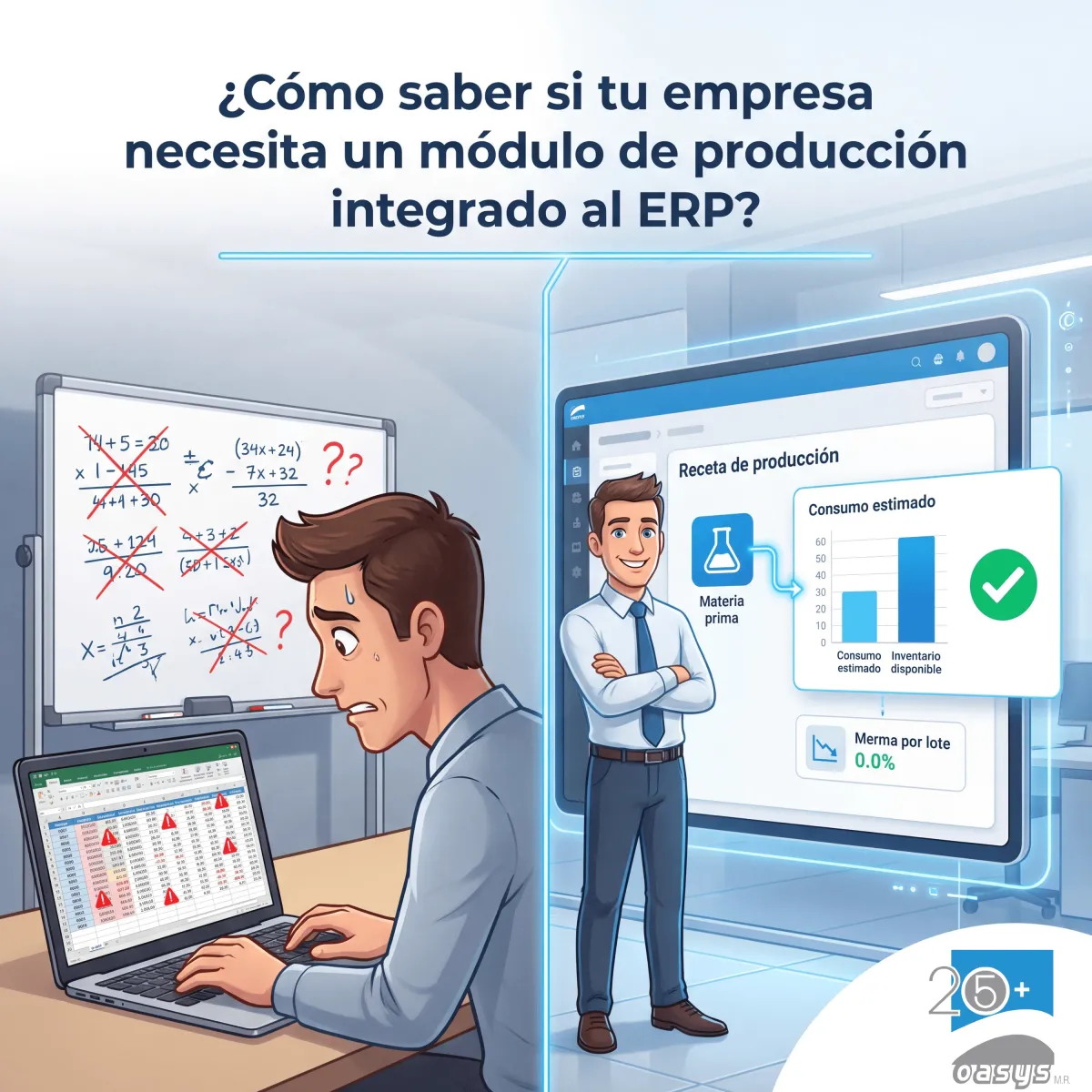
How Do You Know If Your Company Needs a Production Module Integrated Into Your ERP?
If your company transforms or manufactures product and your ERP only handles inventory and accounting, with no recipes or shrinkage tracking, you're missing real control over your production process.
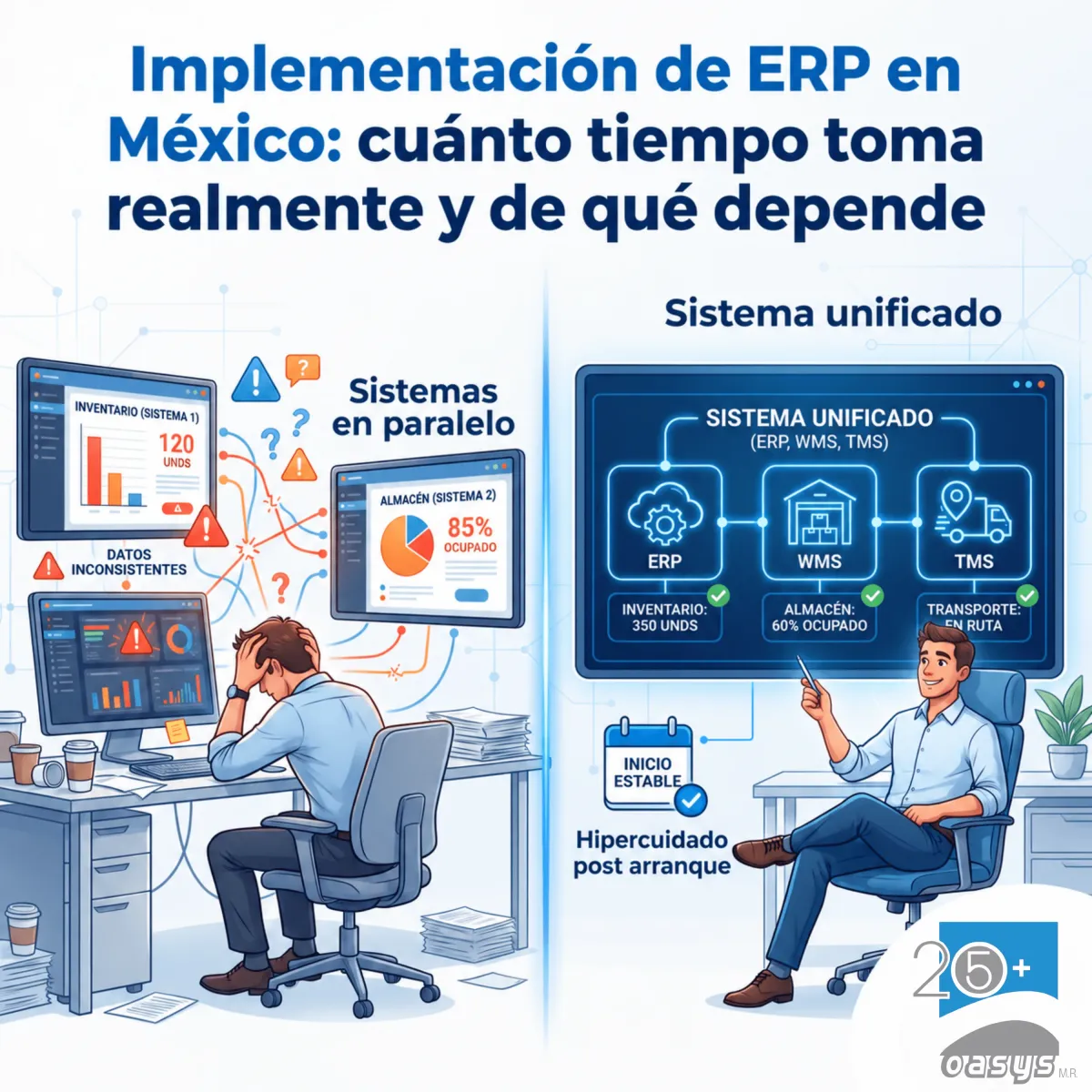
ERP Implementation in Mexico: How Long It Really Takes and What It Depends On
The real implementation timeline depends on how many modules you activate, your data quality, and how much time your team dedicates, not the provider's sales promise.
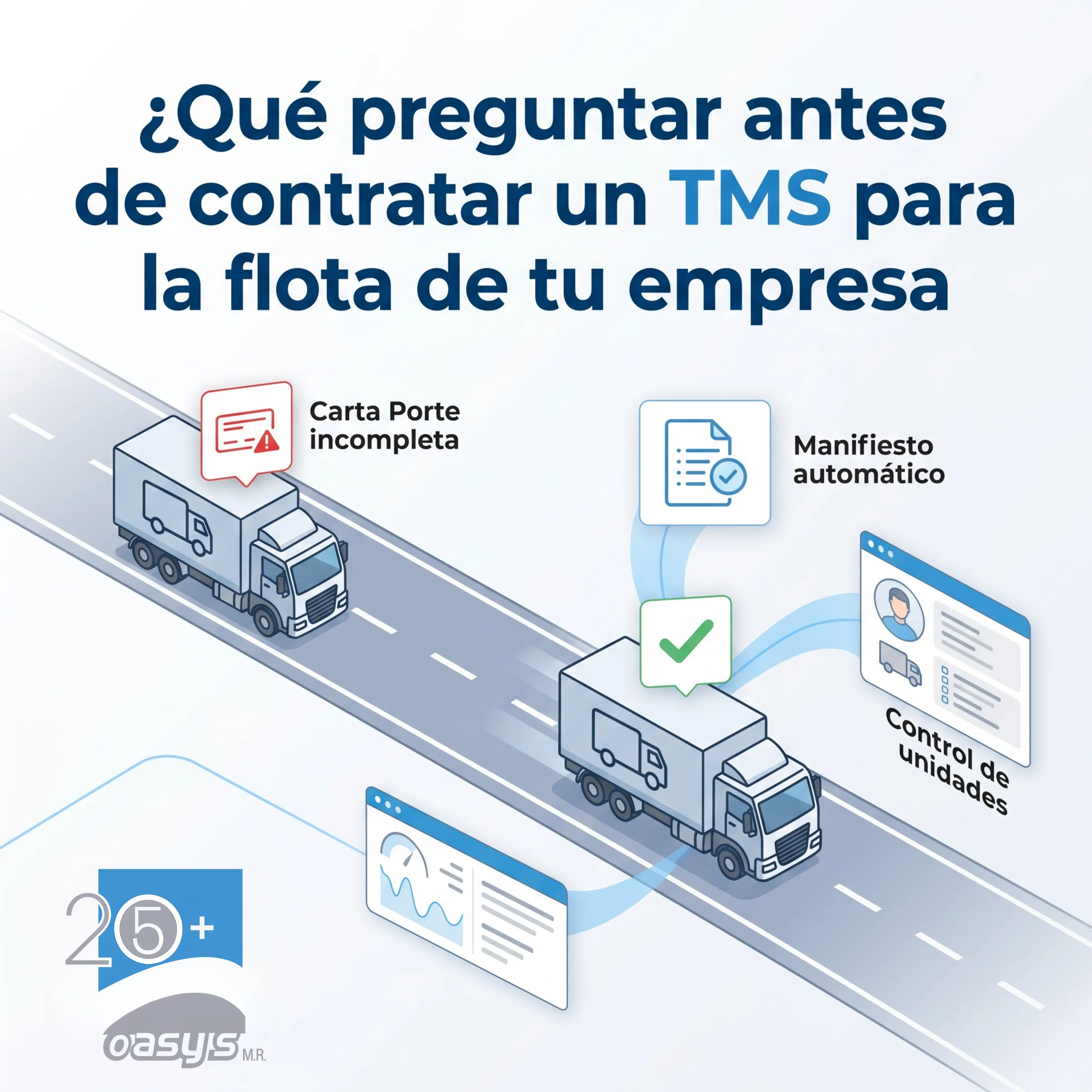
What to Ask Before Hiring a TMS for Your Fleet
Before hiring a TMS, ask whether Carta Porte compliance is native, whether manifests generate themselves, and whether units and drivers live in a single system.
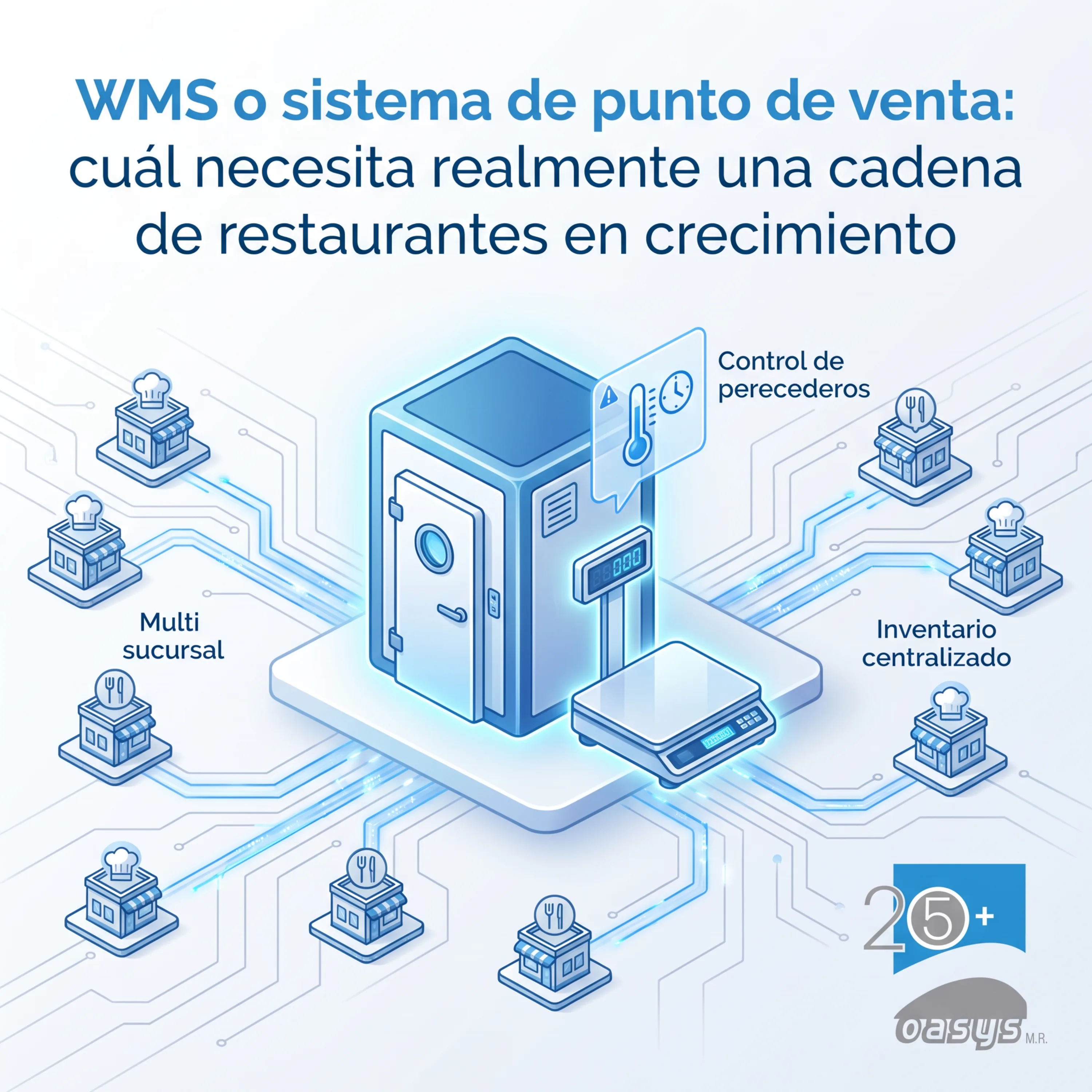
WMS or Point of Sale: What Does a Growing Restaurant Chain Really Need?
A point of sale system records what sold; a WMS controls what inventory exists, where it is, and how much time it has left before it expires. A growing chain needs both.
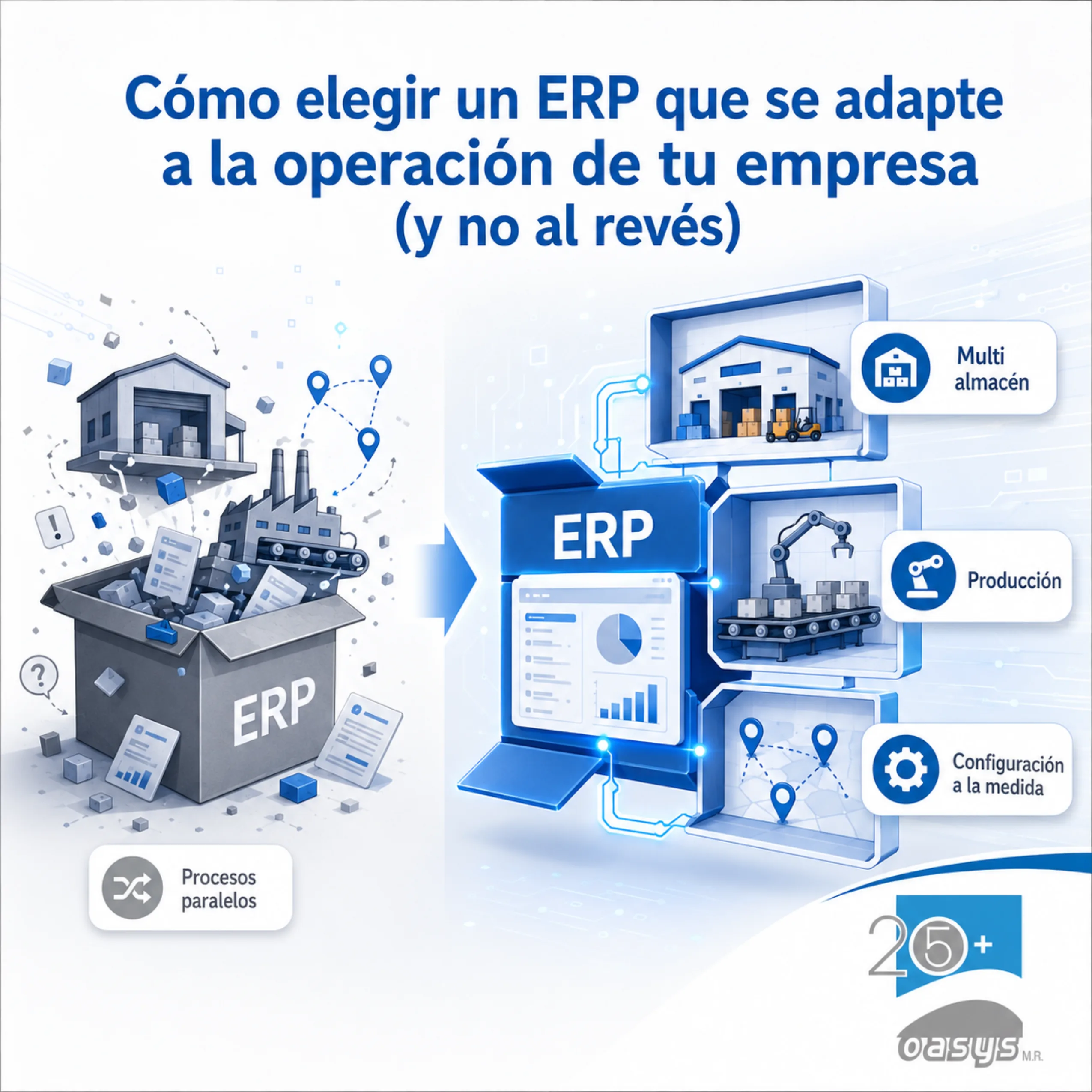
How to Choose an ERP That Adapts to Your Company Operation (Not the Other Way Around)
A proper ERP is parametrized around your real process, without touching the base code or forcing you to operate the way a different company does. What to ask before signing with a vendor.
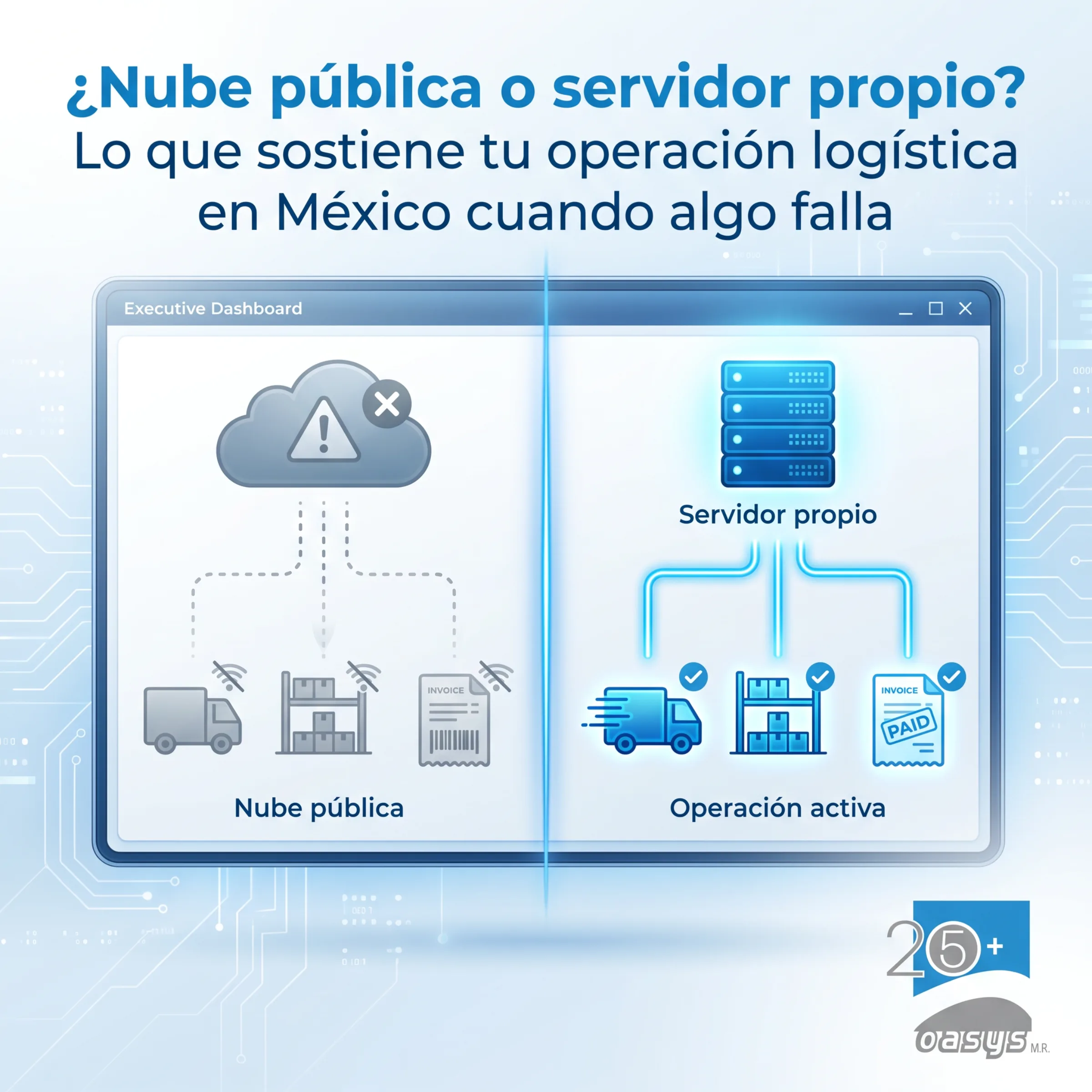
Public Cloud or On-Premise Server? What Sustains Your Logistics Operation in Mexico When Something Fails
The decision weighs above all on the question of control: who responds when something fails, where your information physically lives, and how exposed your operation is to decisions made by a third party.
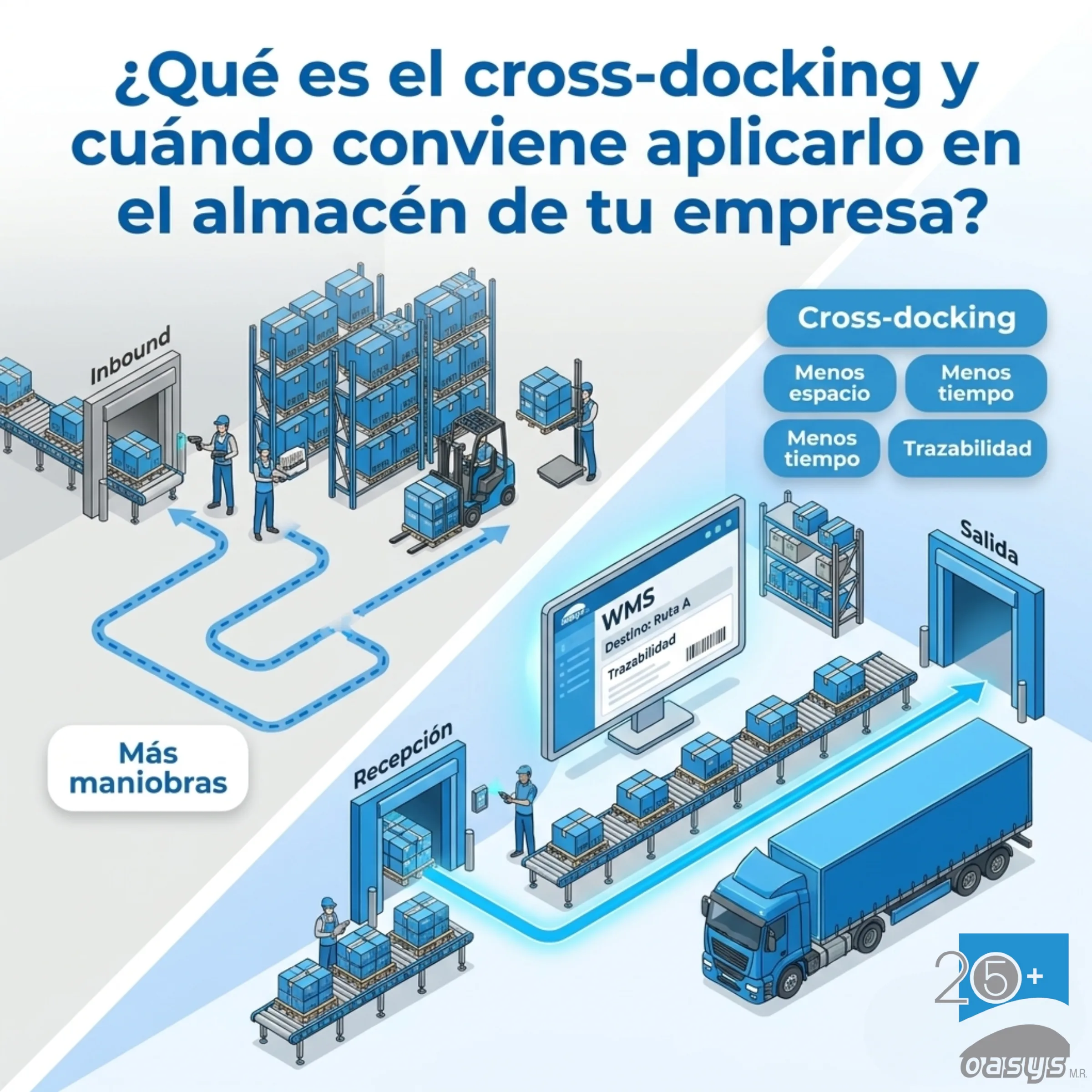
What Is Cross-Docking and When Is It Worth Applying in Your Warehouse?
Cross-docking moves goods straight from the receiving dock to the shipping dock, with minimal or no storage. It is worth it when the product already has an assigned destination and high turnover.
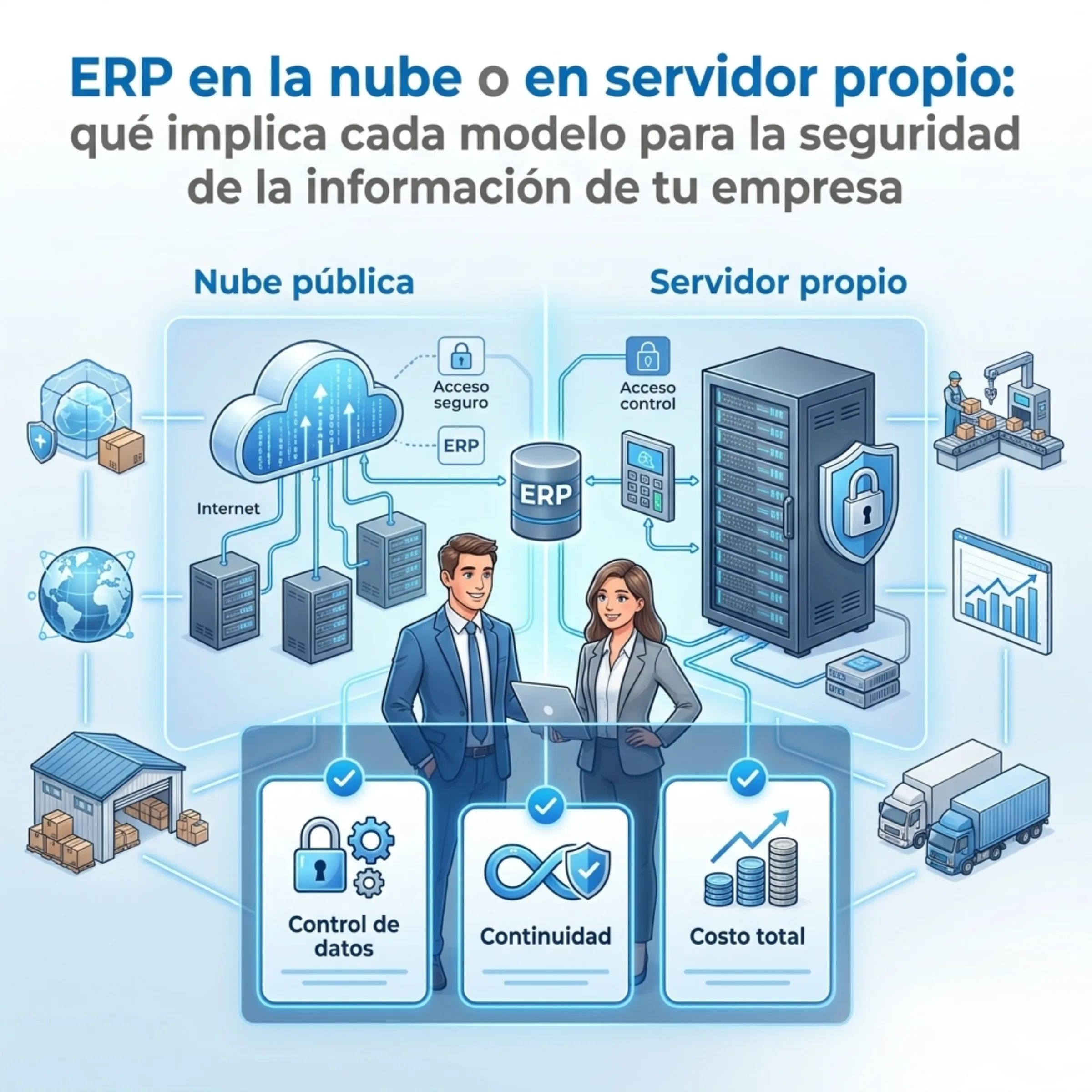
ERP in the Cloud or on Your Own Server: What Each Model Means for Your Company Information Security
A public cloud ERP hosts your data on third-party servers accessed over the internet, while an on-premise ERP keeps it on infrastructure under your control. The difference affects information control, continuity during connection failures and cost structure.
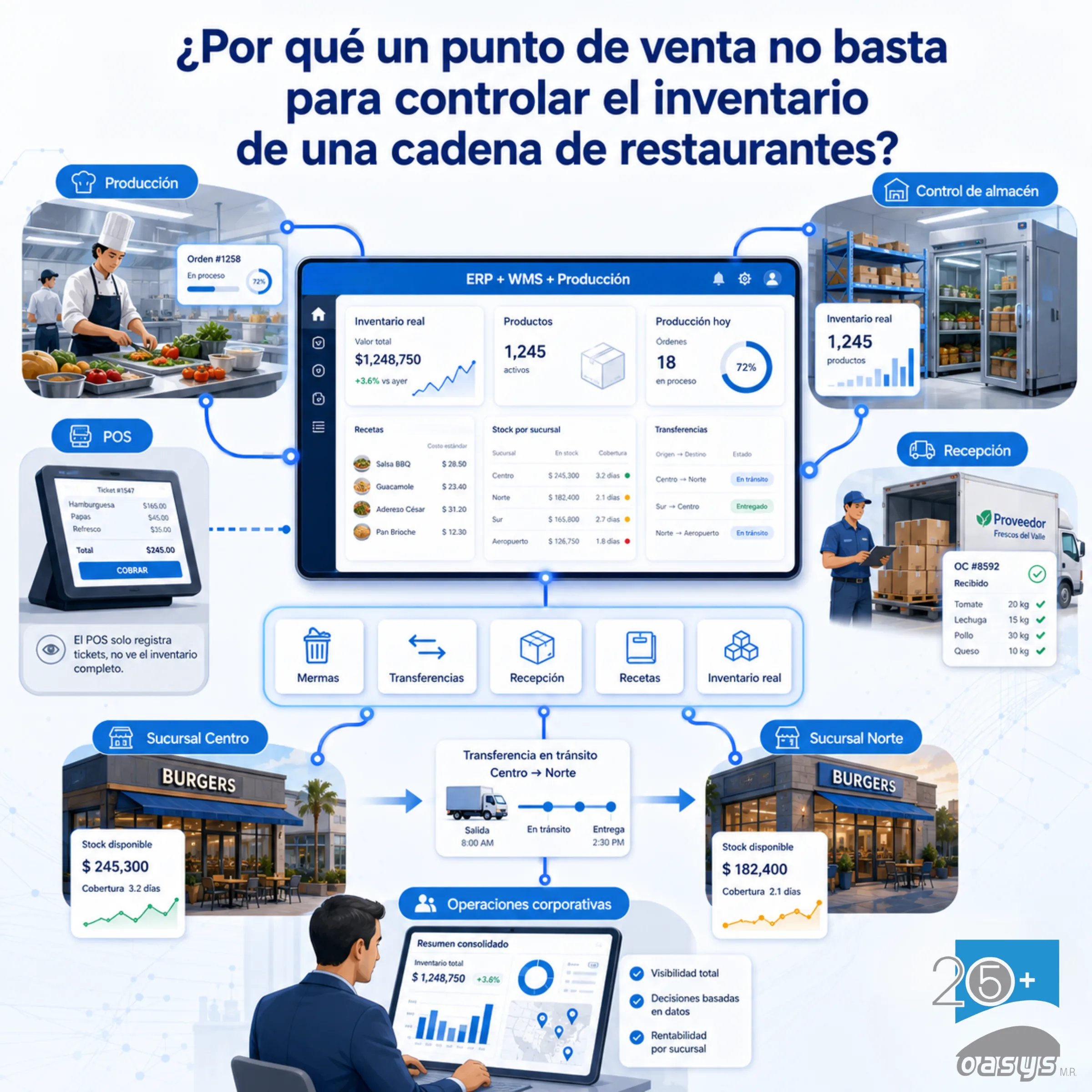
Why a Point of Sale Is Not Enough to Control Inventory in a Restaurant Chain
A point of sale records what is sold and deducts stock using theoretical recipes. It does not control waste, transfers between locations, real ingredient yield or supplier receiving.
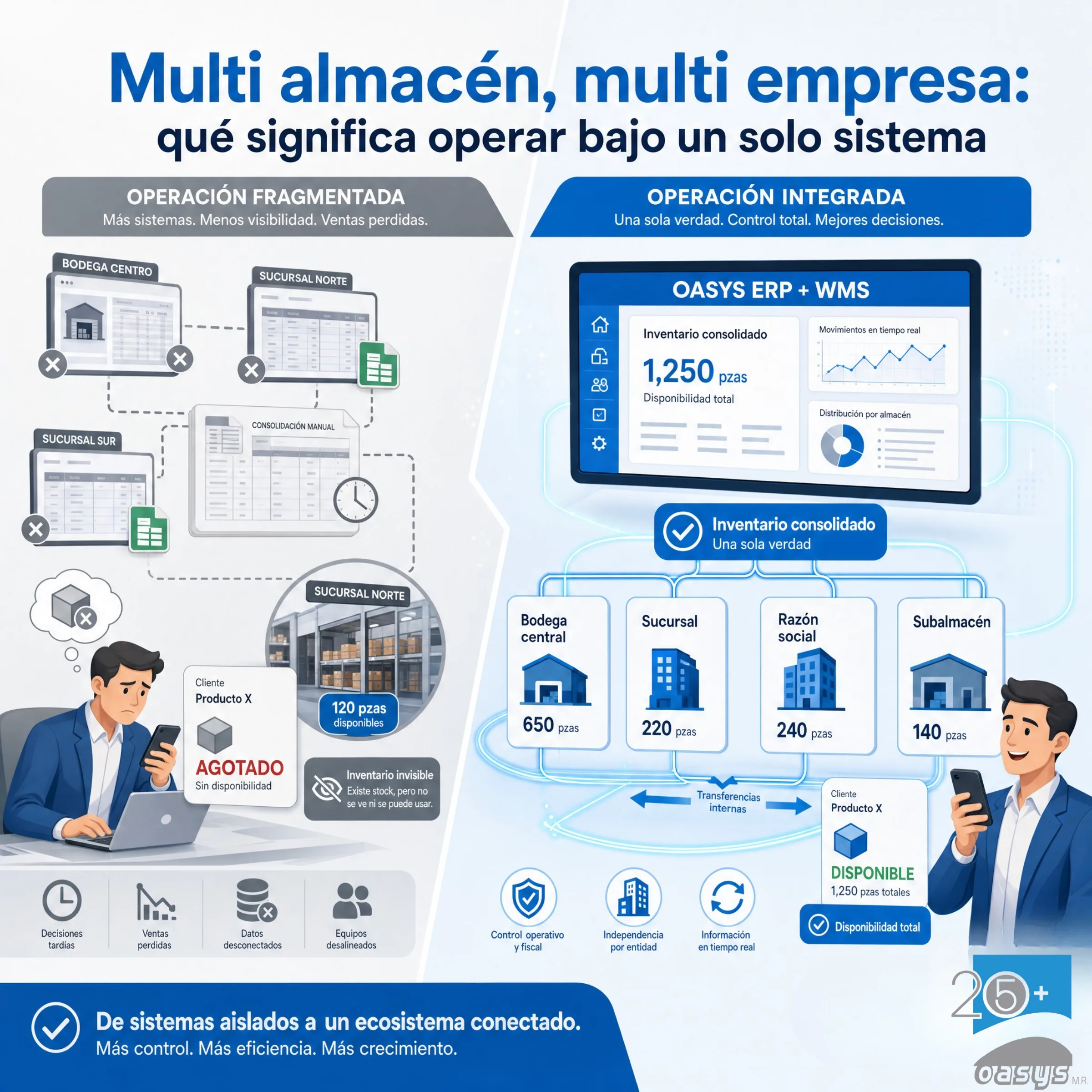
Multi Warehouse, Multi Company: What It Means to Operate Under a Single System
Operating multi warehouse and multi company under a single system means every warehouse and legal entity shares one inventory and operations record, while each keeps its fiscal independence.
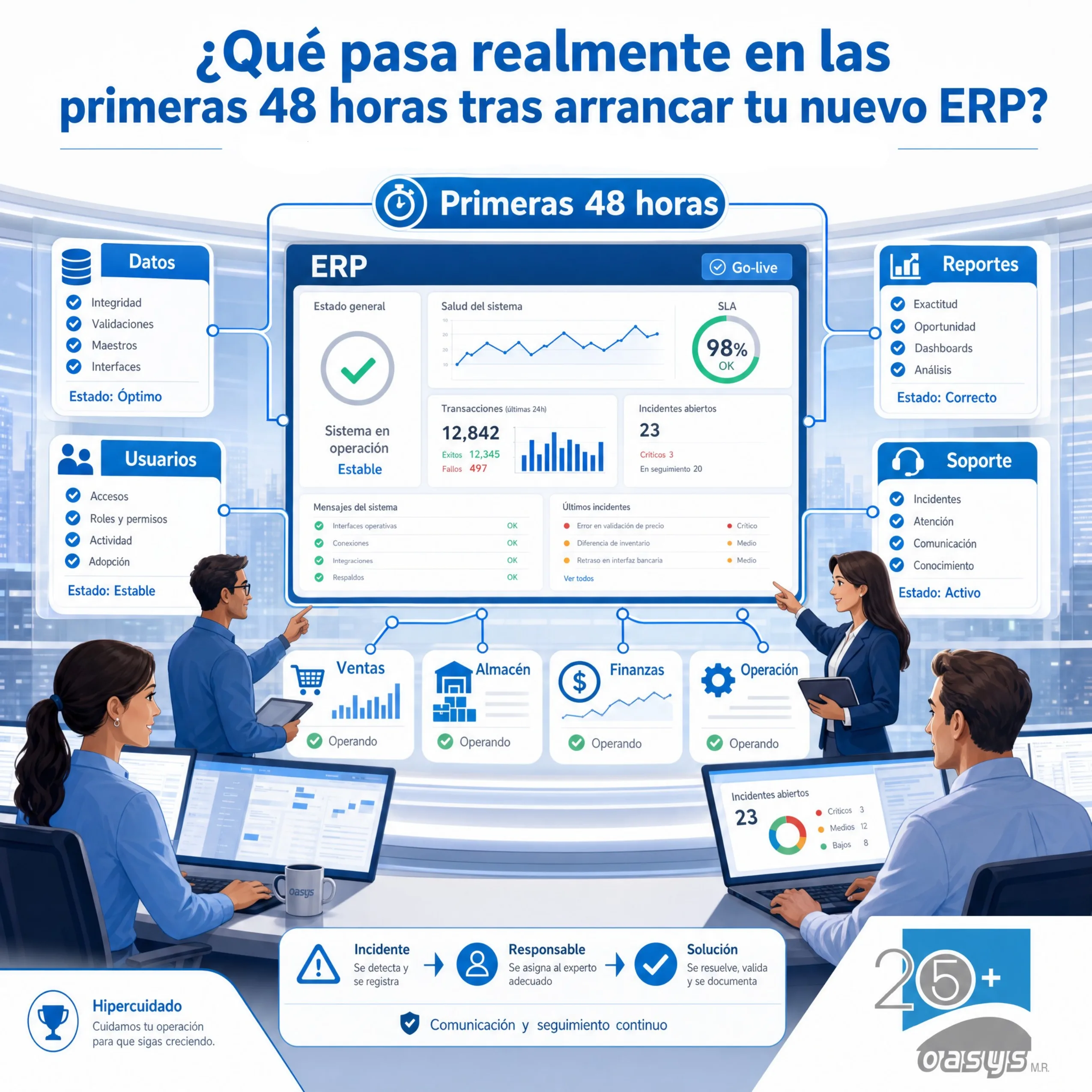
What Really Happens in the First 48 Hours After Your New ERP Goes Live
What actually occurs in the 48 hours after an ERP go-live and how to prevent operations from collapsing before the system stabilizes.
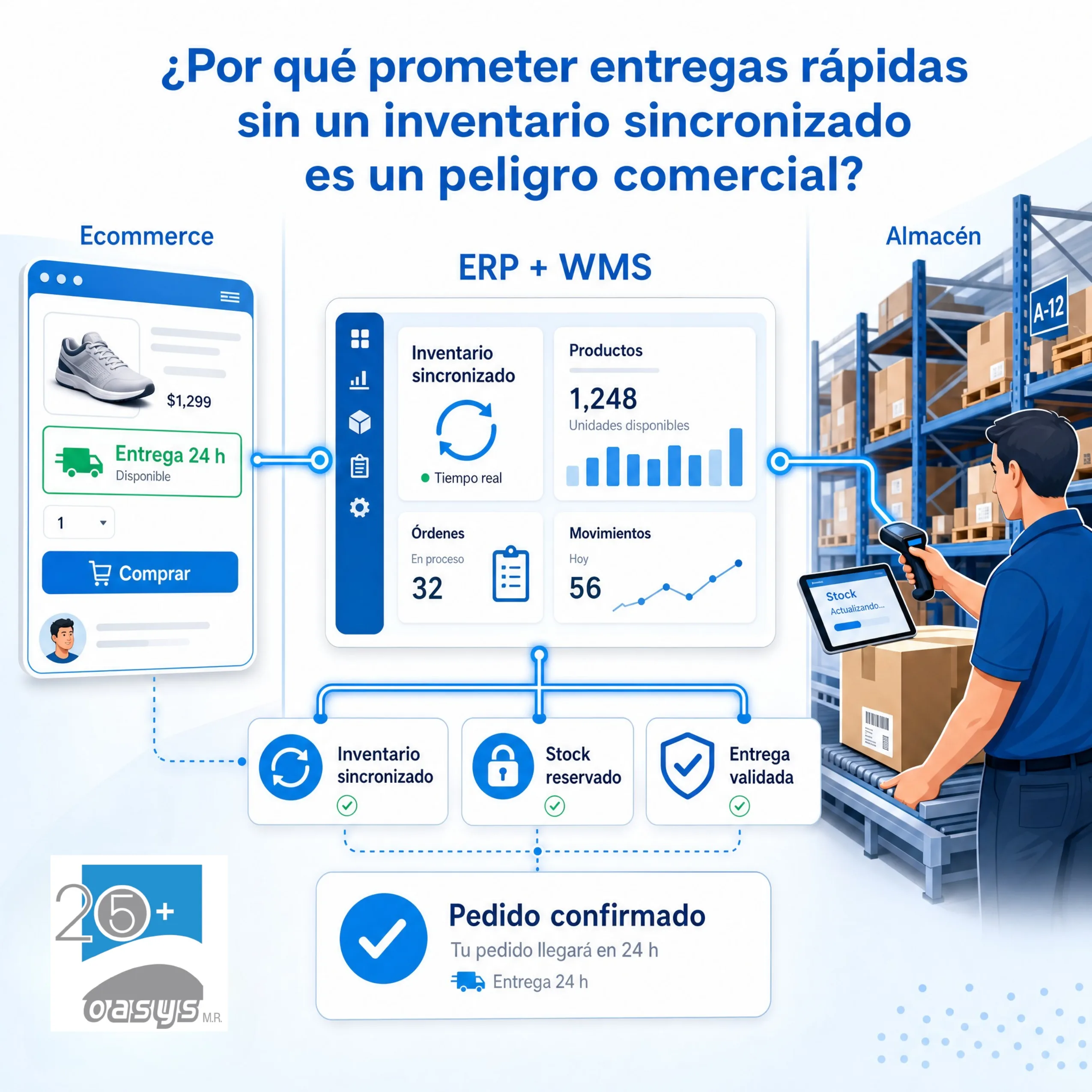
Why Promising Fast Deliveries Without Synchronized Inventory Is a Commercial Risk
Why committing to aggressive delivery times without a synchronized ERP-WMS inventory puts sales, margin and commercial reputation at risk.
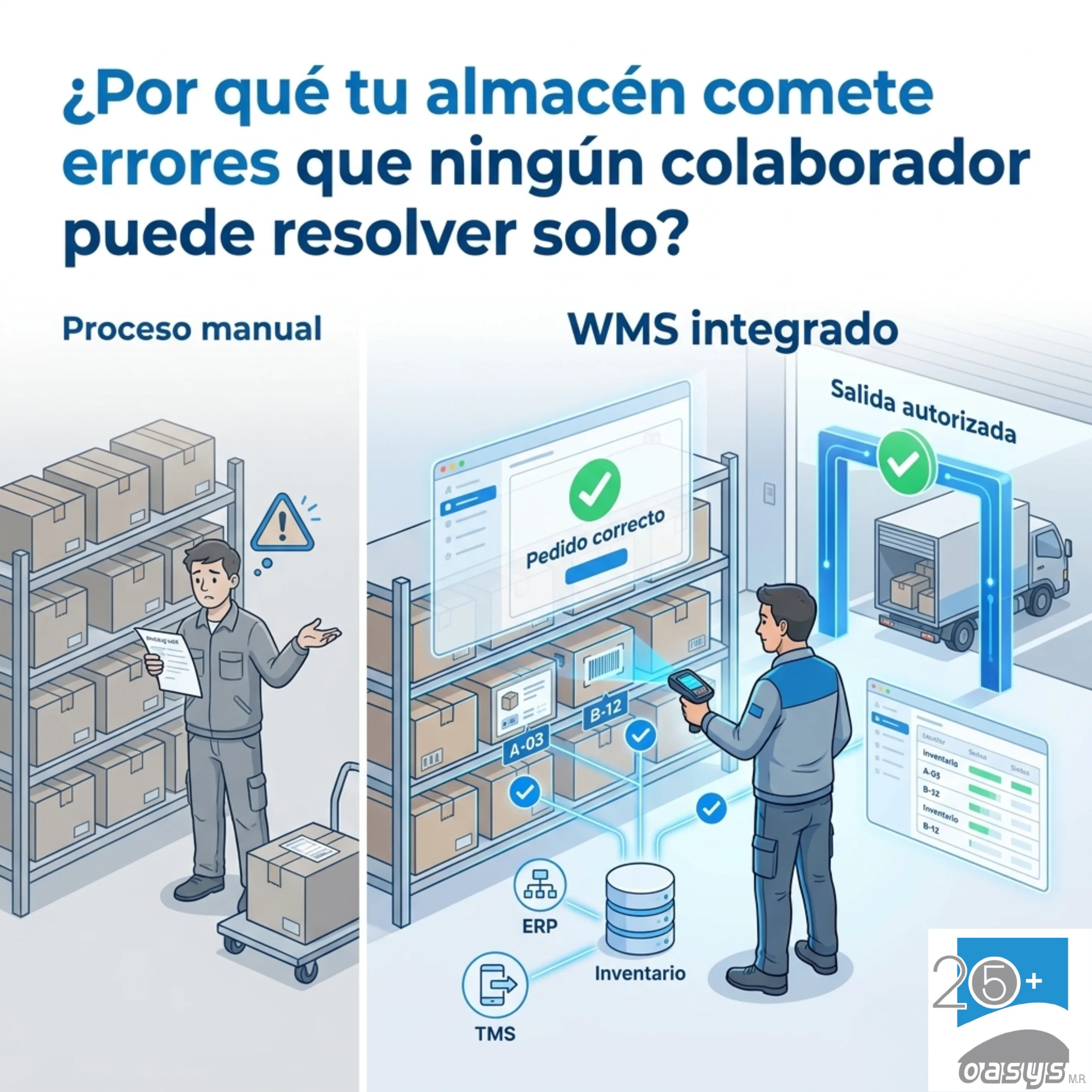
Why Your Warehouse Makes Errors That No Employee Can Solve Alone
Picking errors, shrinkage and incorrect orders are not human failures: they are symptoms of a warehouse without a WMS system.
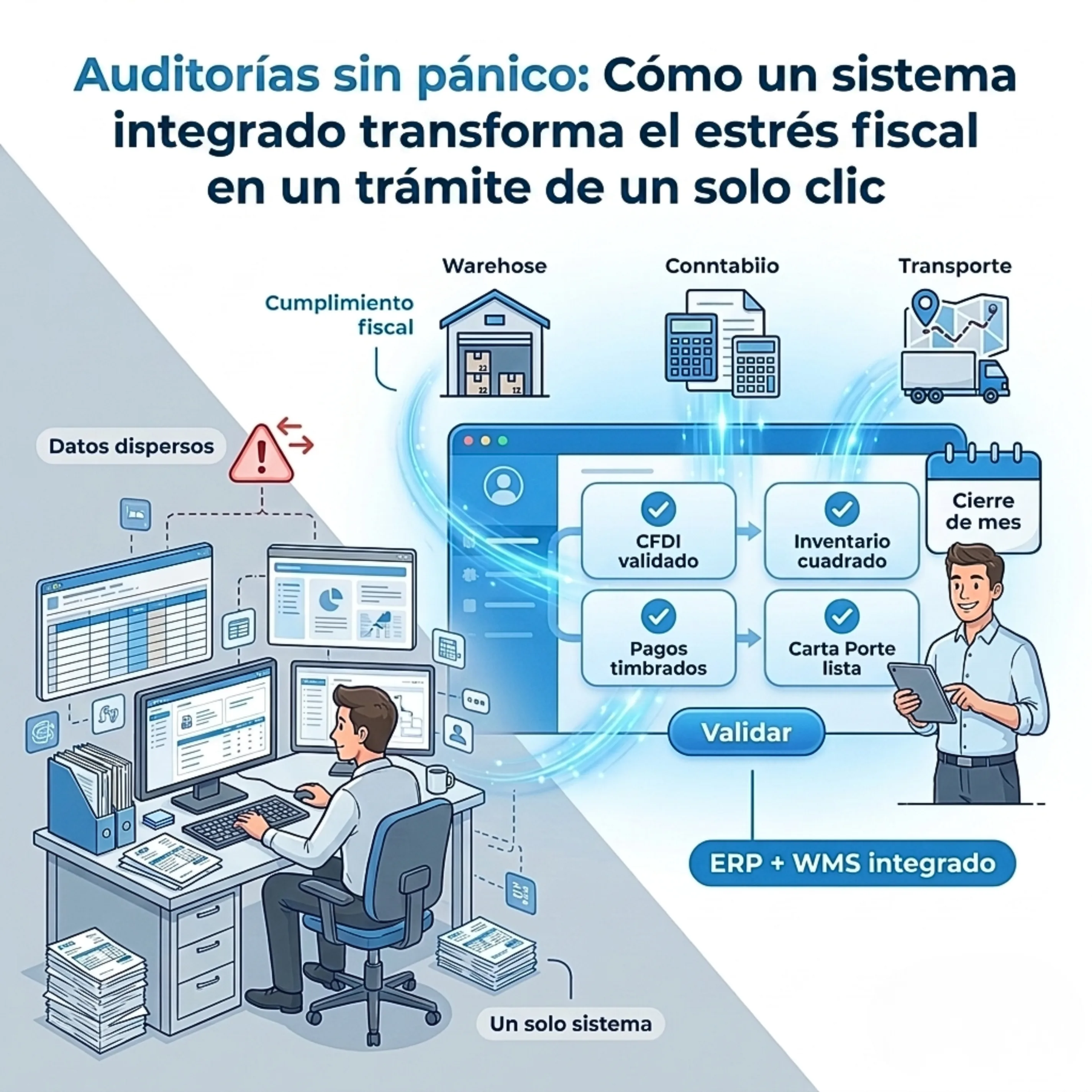
Can Your ERP Survive a Tax Authority Audit? An Integrated System Can
How an integrated ERP + WMS platform turns every SAT audit into a one-click process. No panic, no paperwork, no risk.
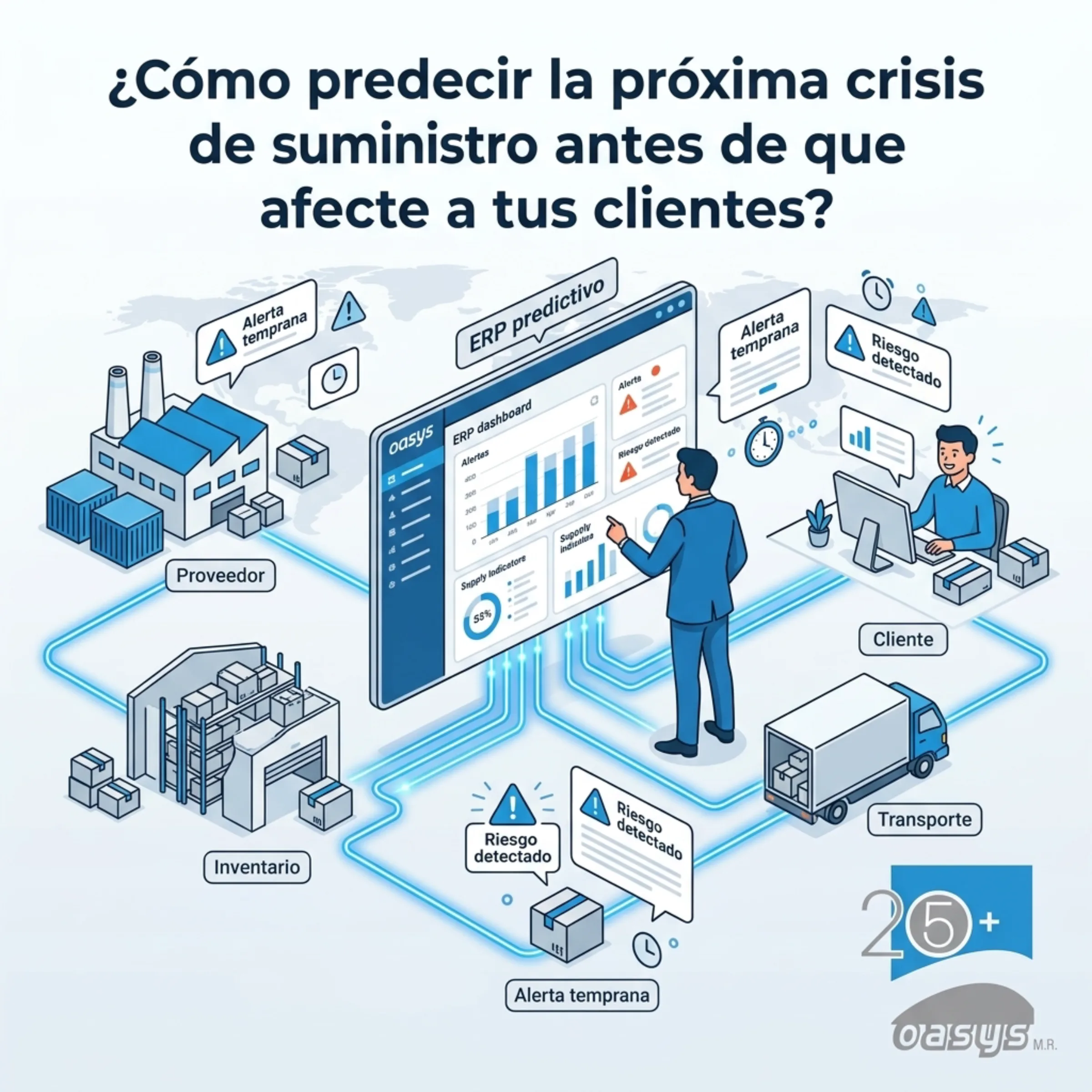
How to Predict the Next Supply Chain Crisis Before It Affects Your Customers
An ERP or WMS with predictive analytics detects supply chain risk signals weeks before a stockout impacts your customers.
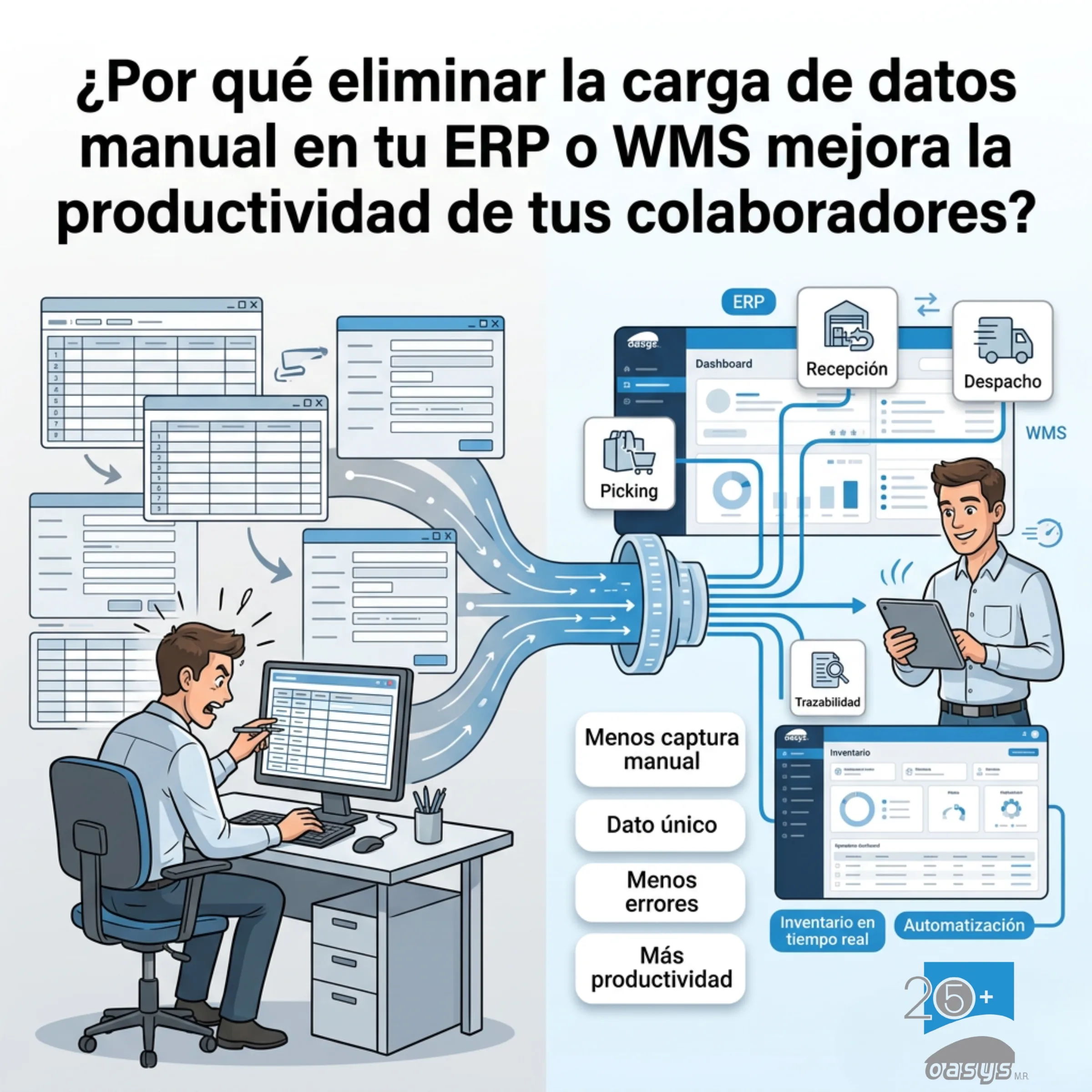
Why Eliminating Manual Data Entry in Your ERP or WMS Boosts Team Productivity
Eliminating manual data entry in your ERP or WMS frees your team from repetitive tasks and reduces operational errors by up to 80%.
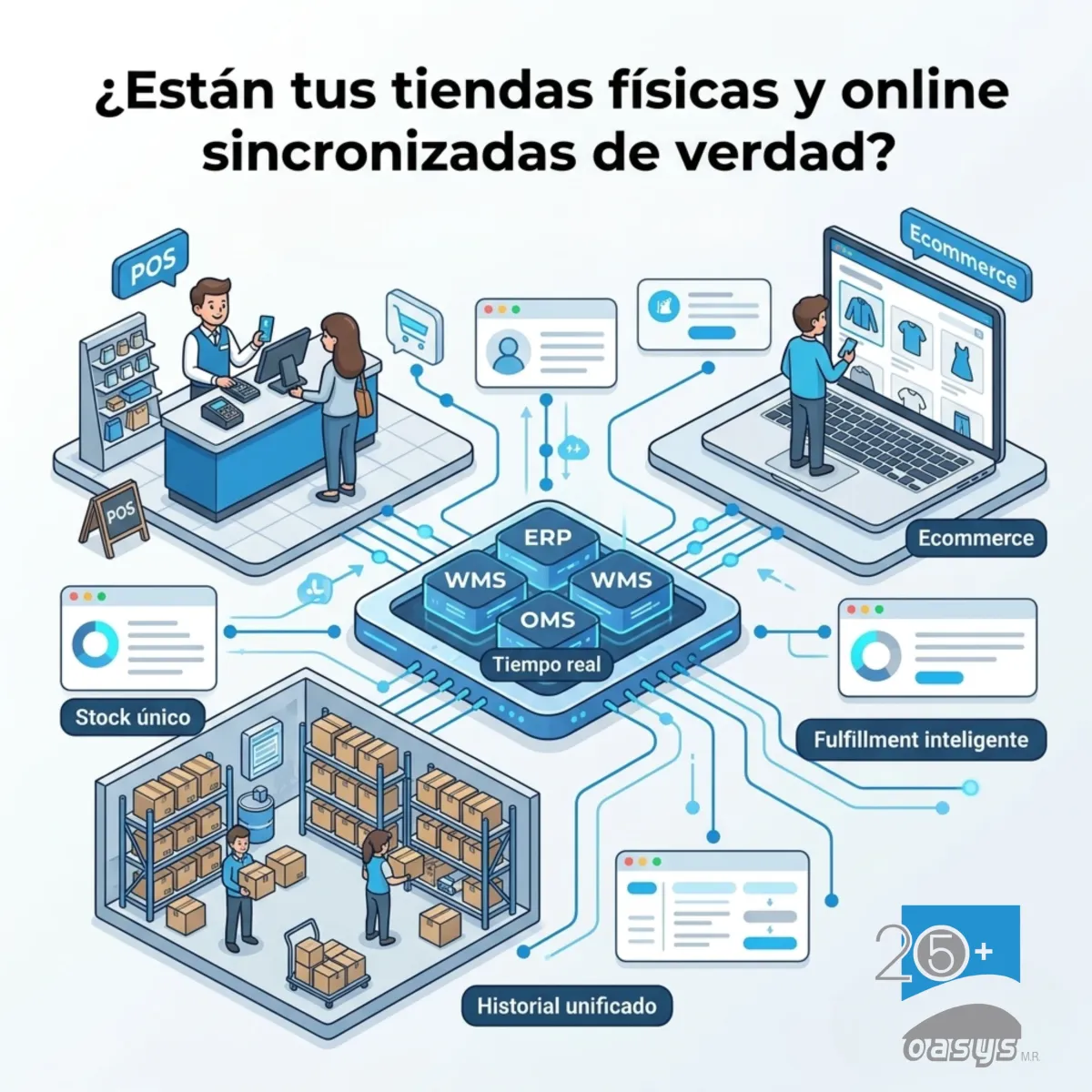
Real Omnichannel: Are Your Physical and Online Stores Truly in Sync?
Real omnichannel requires ERP, WMS and OMS to share a single inventory updated in real time. Without that technical integration, channels coexist but never converge.
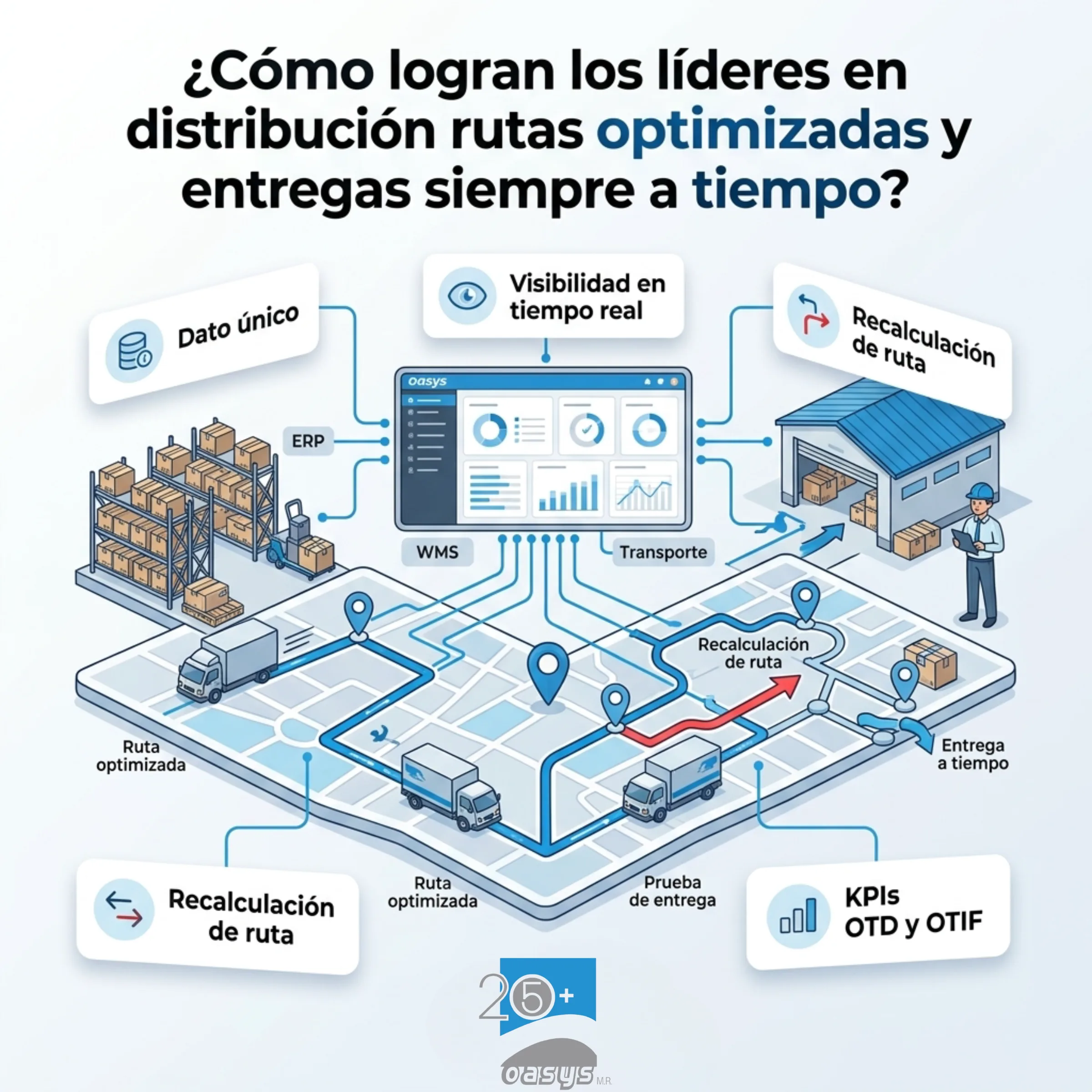
How Distribution Leaders Achieve Optimized Routes and On-Time Deliveries
Distribution leaders combine dynamic route planning algorithms with integrated ERP and WMS platforms, achieving real-time visibility and On-Time Delivery rates above industry average.
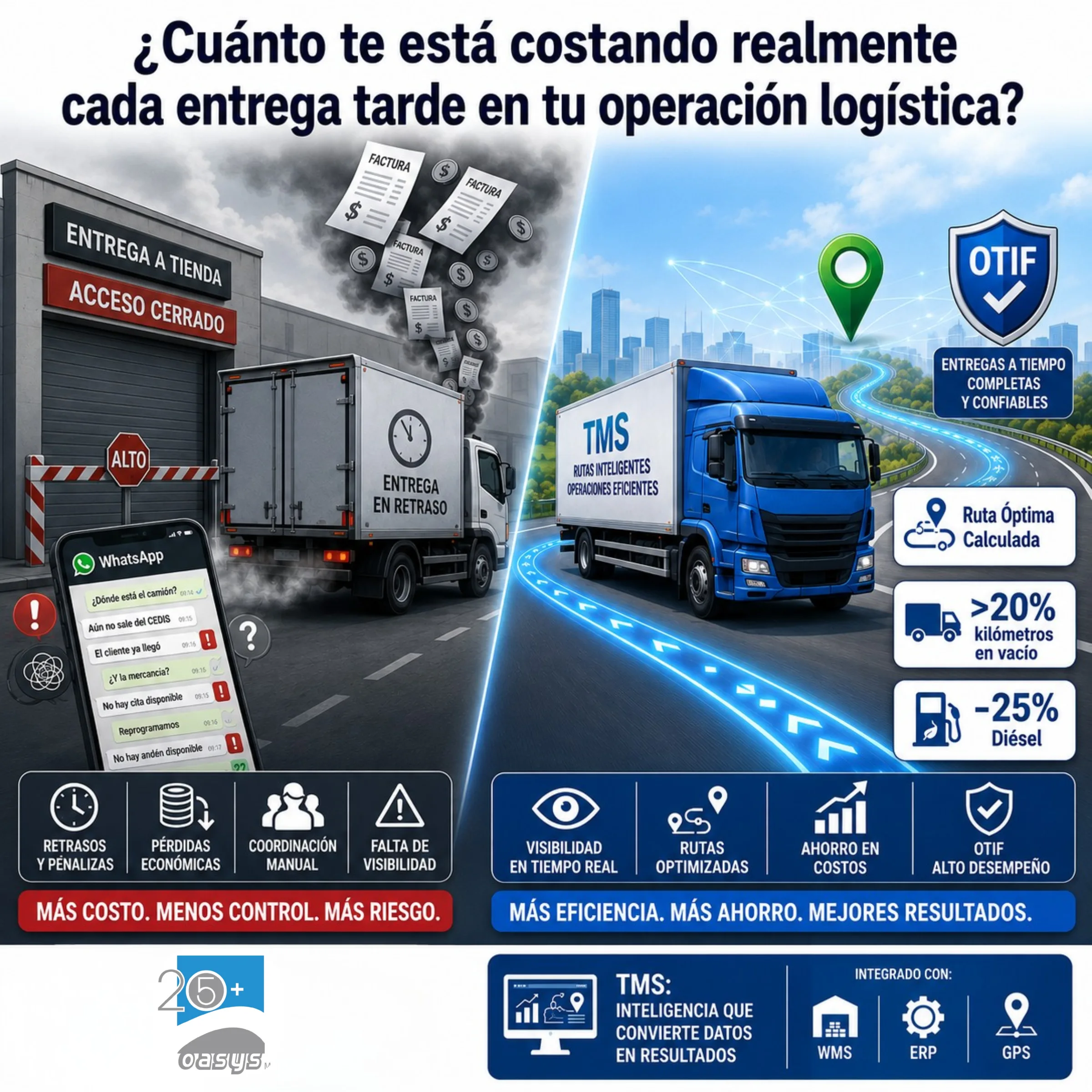
What Every Late Delivery Is Really Costing Your Logistics Operation
Route optimization software with TMS integration reduces cost per kilometer by up to 30%, eliminates empty miles and guarantees on-time deliveries with real-time visibility across your fleet.
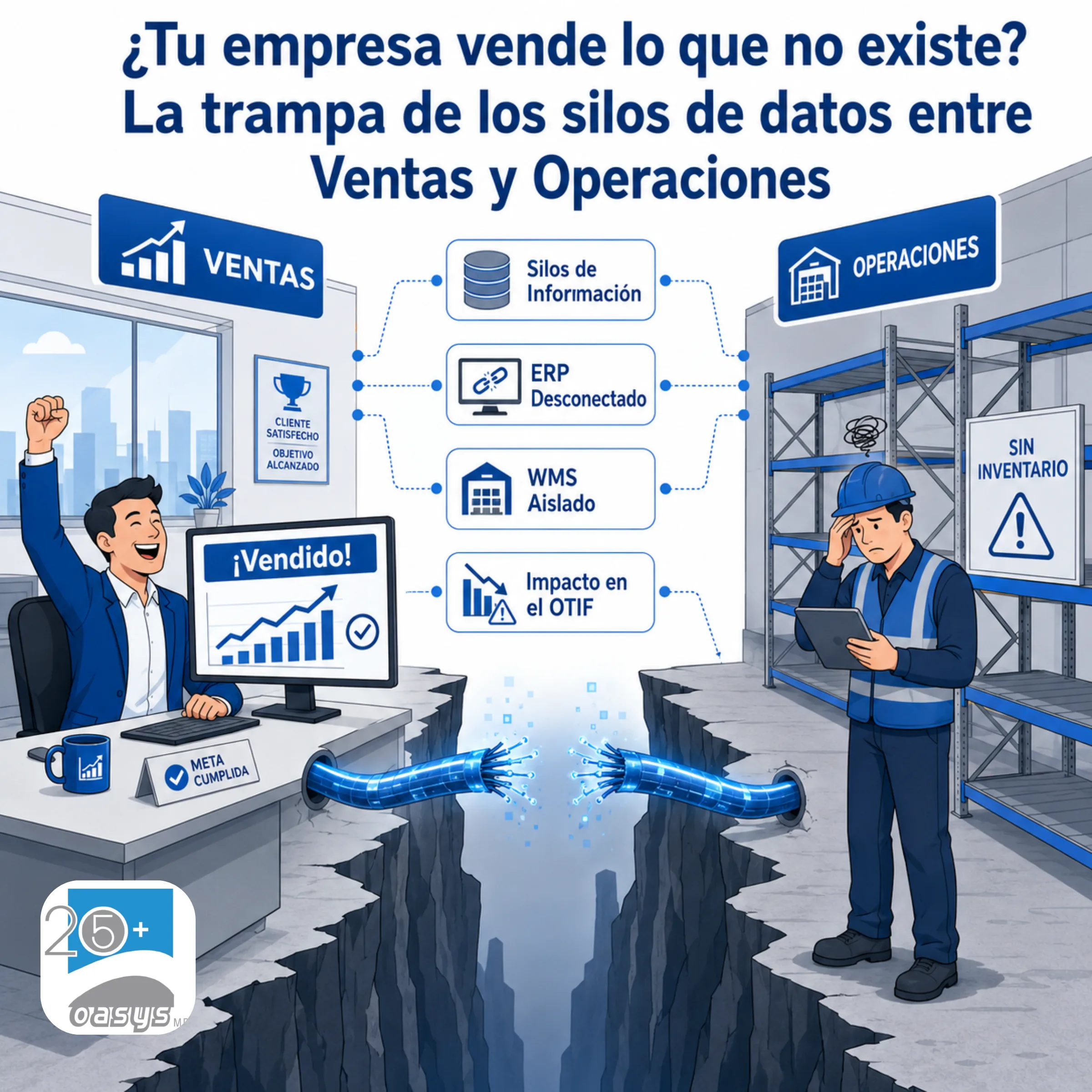
Is Your Company Selling Products That Do Not Exist? The Data Silo Trap Between Sales and Operations
ERP and WMS integration is the difference between sustainable growth and permanently fighting fires between departments.
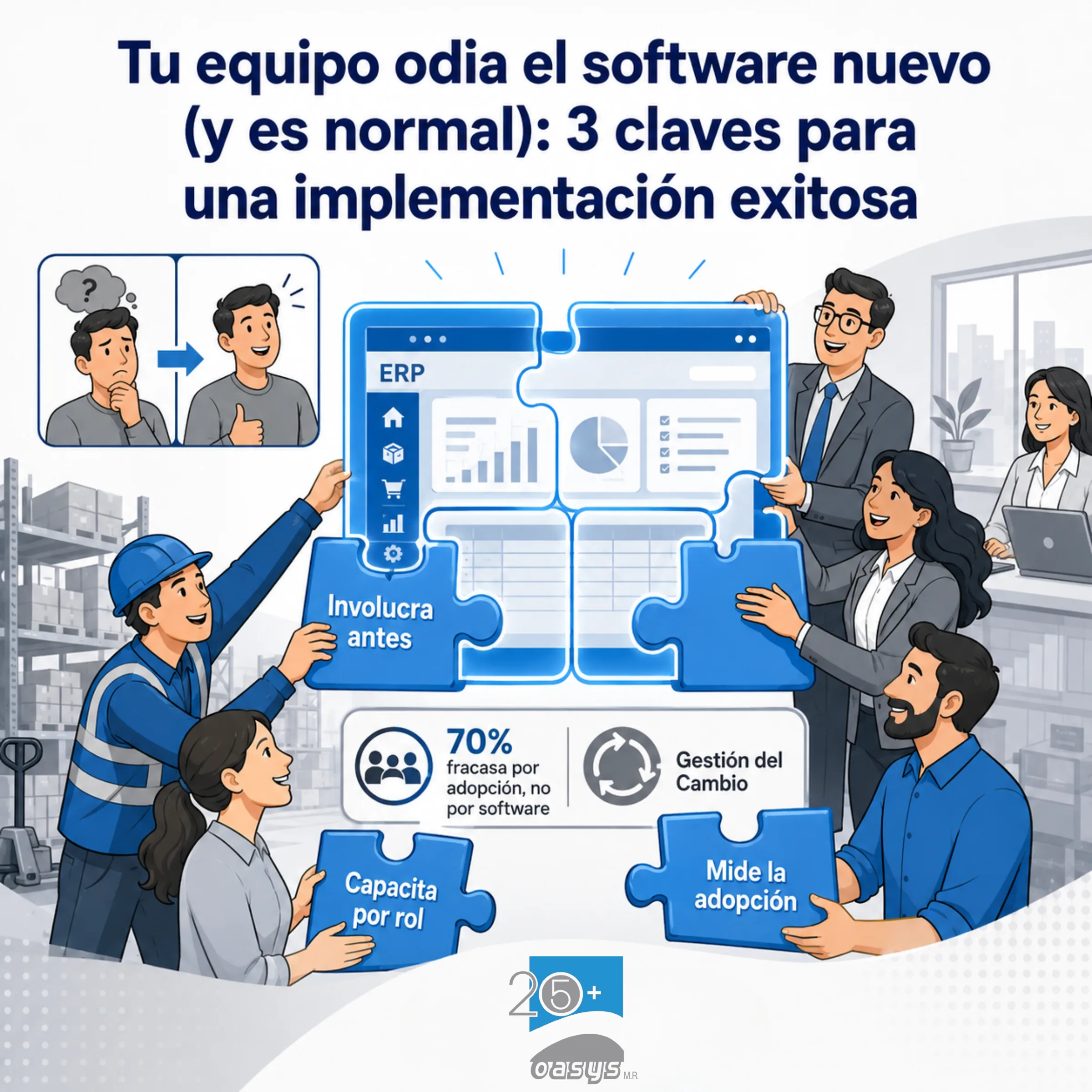
Your Team Hates the New Software (and That Is Normal): 3 Keys to a Successful Implementation
Software implementations fail primarily due to human resistance, not technical failures. We have identified three keys that turn that resistance into momentum.

How Automation Unlocks the Strategic Potential of Your Team
When automation absorbs repetitive tasks, your team can focus on thinking, innovating and growing.
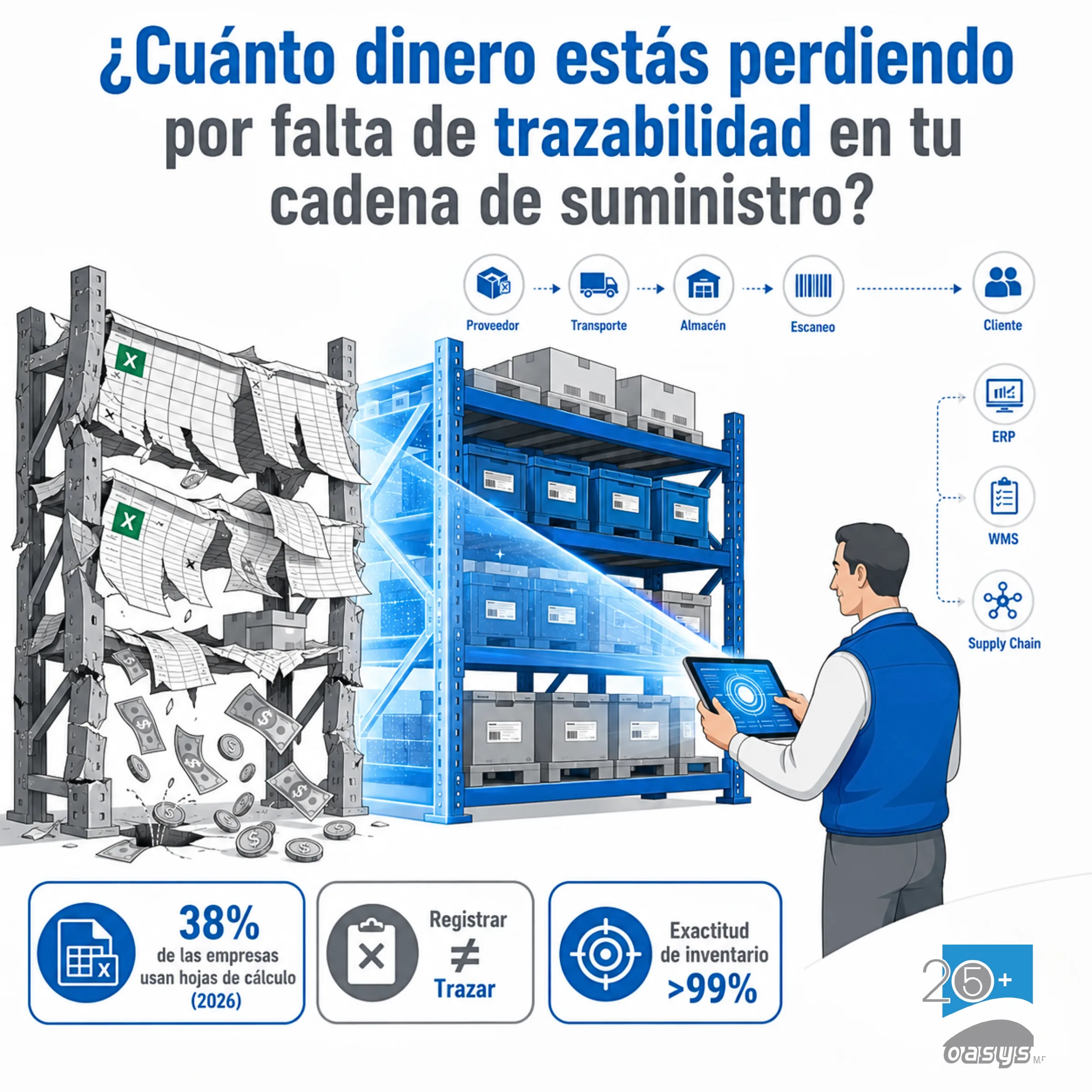
How Much Money Is Your Company Losing From Lack of Supply Chain Traceability?
Five hidden costs that lack of traceability generates in your supply chain and that erode your profitability.

How an ERP Can Become Your Best Ally for Managing Cash Flow
An integrated ERP gives you real-time cash flow visibility to make financial decisions with confidence.

How the WMS Is Redefining the Future of Logistics 4.0 and Smart Warehouses
Smart warehouses are already a reality. The WMS is the technology core driving Logistics 4.0.
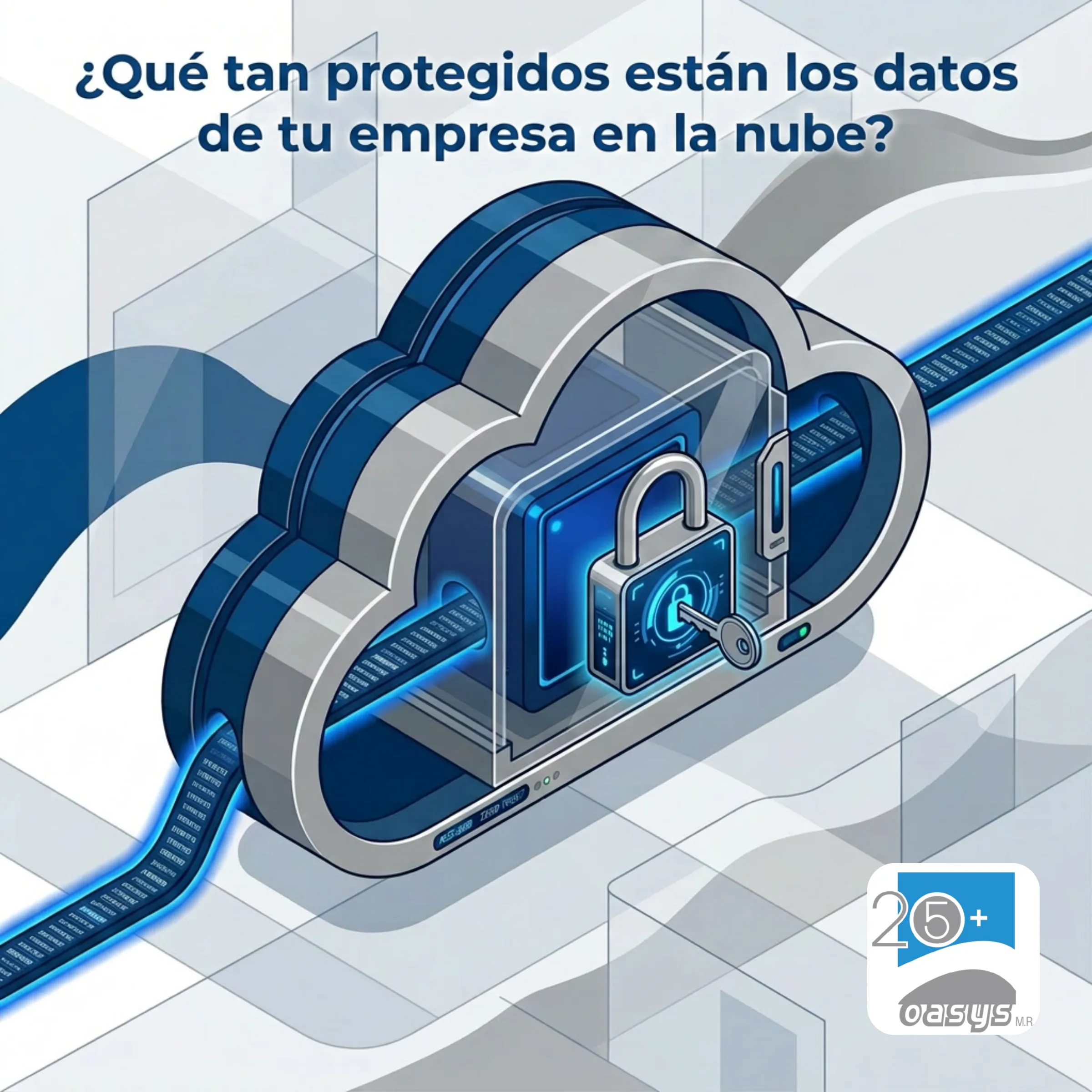
How Secure Is Your Company Data in the Cloud?
The cloud is not just storage. Find out how well-protected your company data really is.
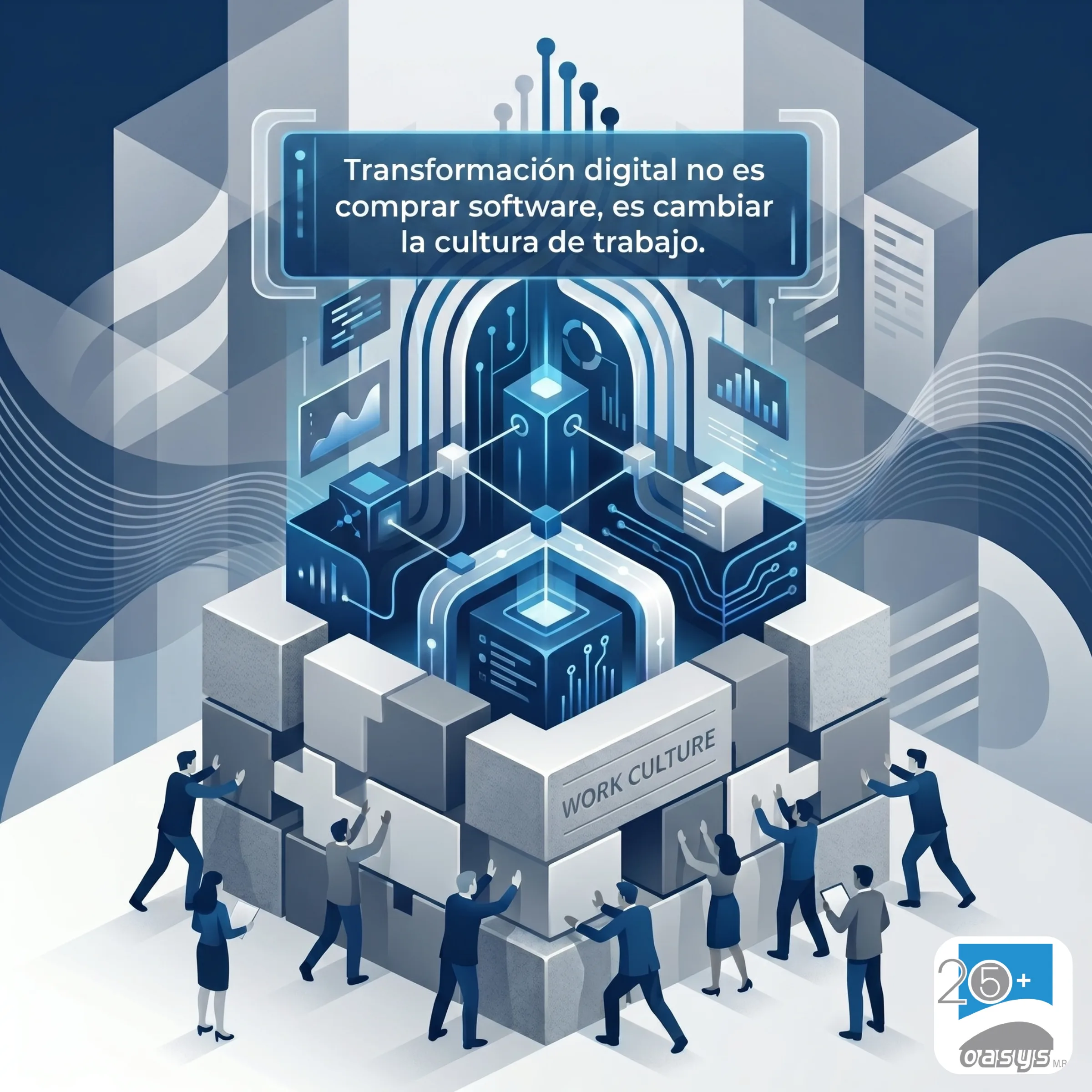
Why Digital Transformation Fails When It Is Reduced to Buying ERP or WMS Software
Buying software is not the same as transforming. Discover why many implementations fail and how to guarantee success.
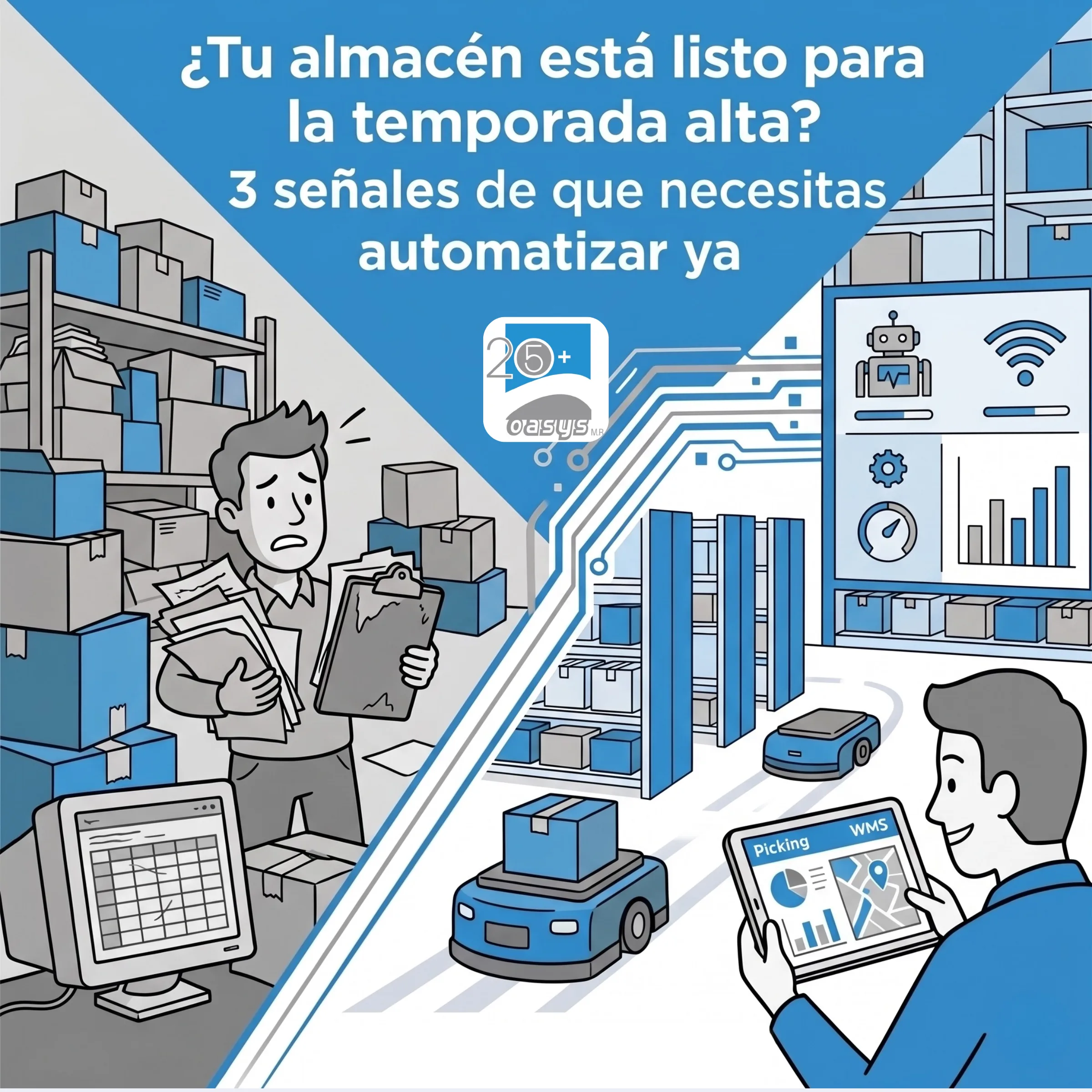
Is Your Warehouse Ready for Peak Season? 3 Signs You Need to Automate Now
Three signs that tell you whether your warehouse will hold up under peak demand -- or whether you need to automate before it is too late.
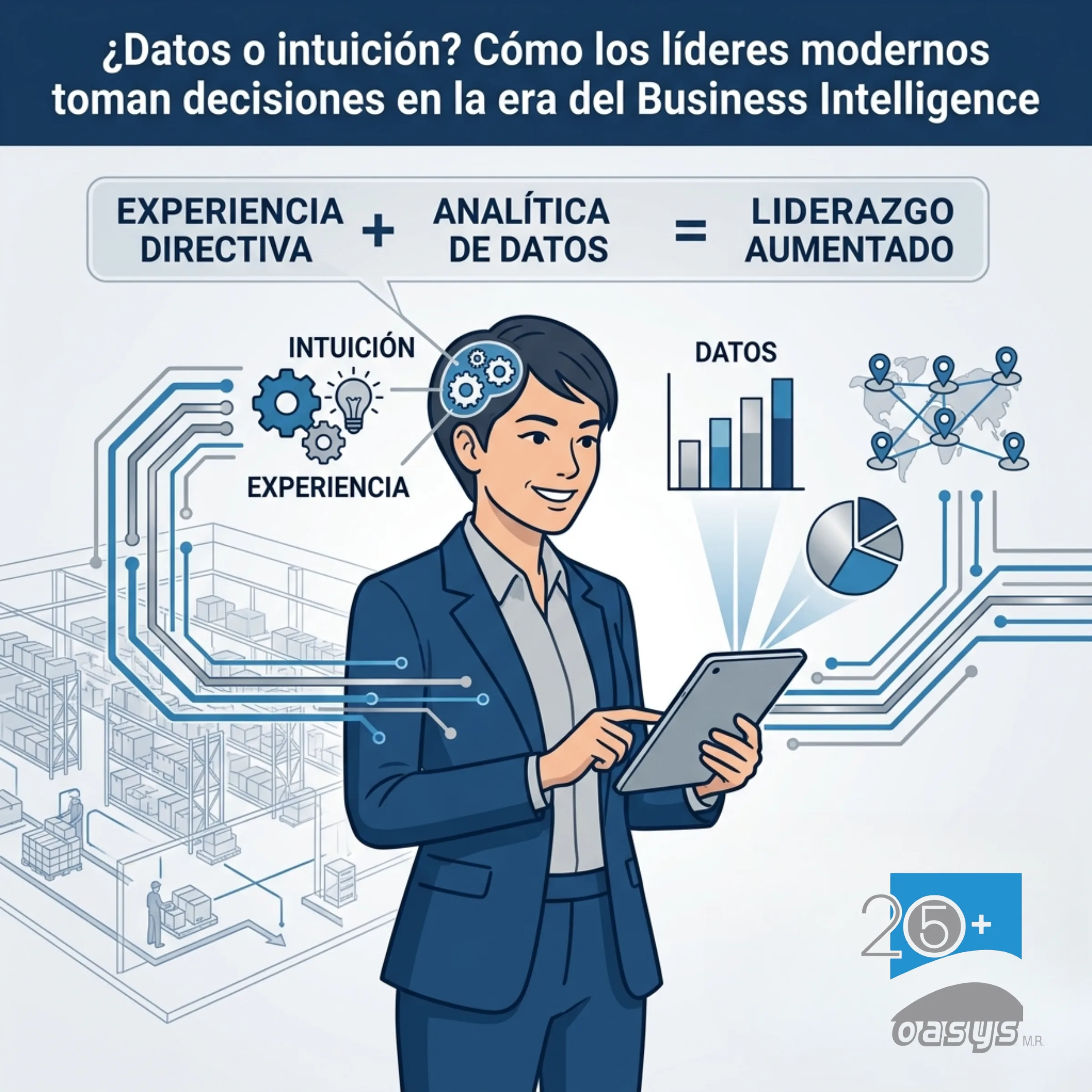
Data or Intuition? How Modern Leaders Make Decisions in the Age of Business Intelligence
Modern leaders combine experience with Business Intelligence for faster, more accurate decisions.
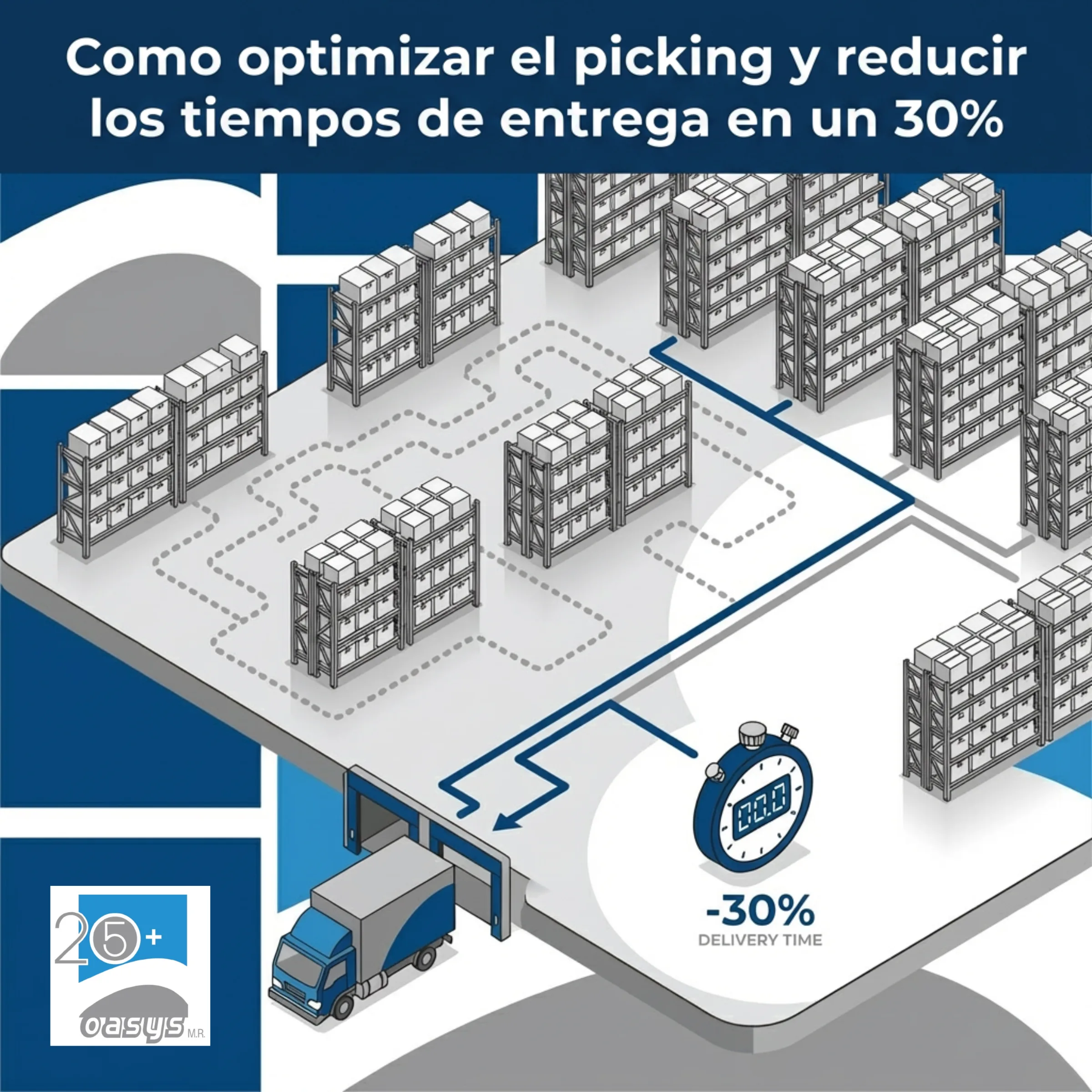
How to Optimize Picking and Reduce Delivery Times by 30%
An optimized picking process can reduce delivery times by up to 30%. Discover the key strategies.
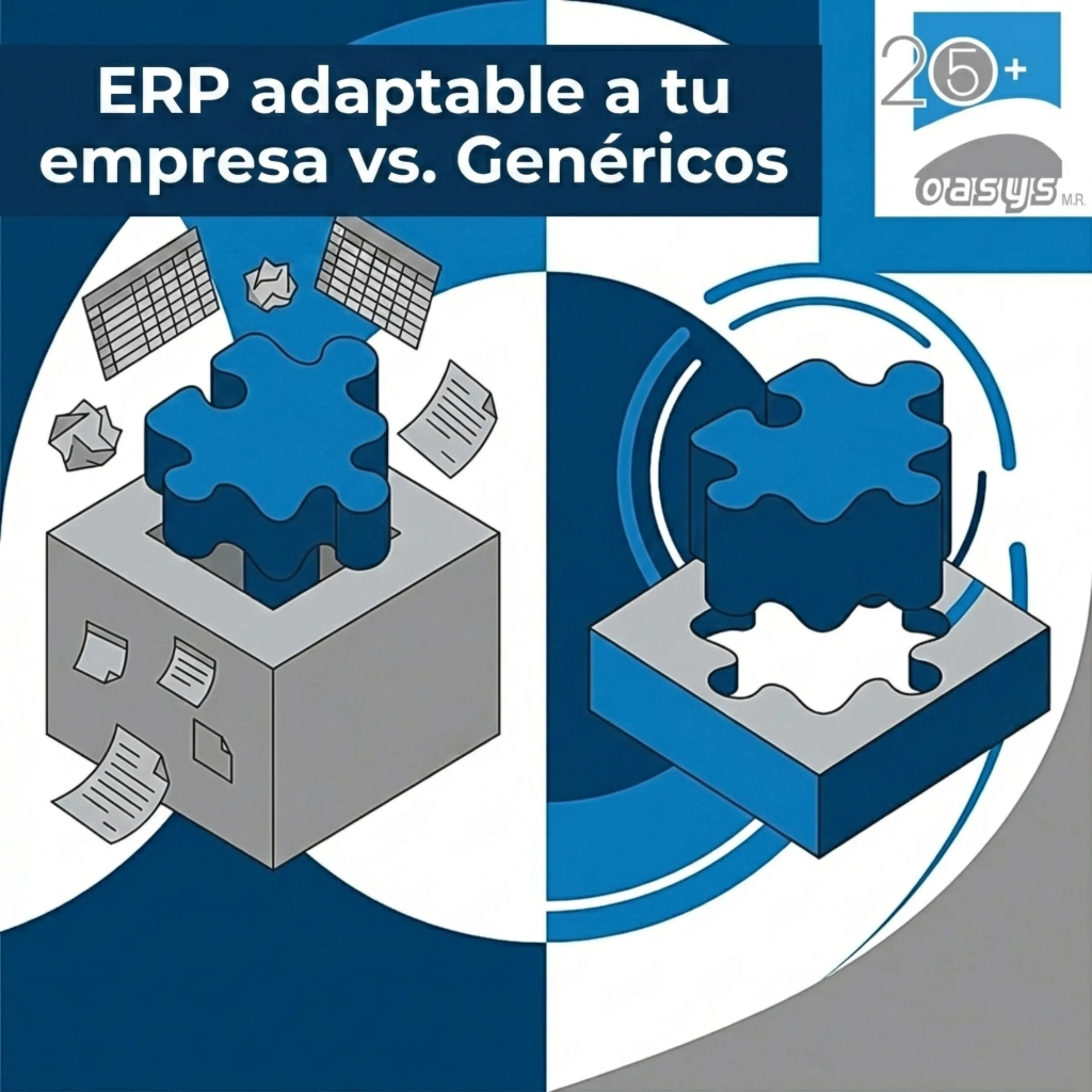
Adaptable ERP vs. Generic: Why Customization Is the Key to ROI
A customized ERP outperforms a generic one in ROI from month 18 onward. Discover why customization is decisive.
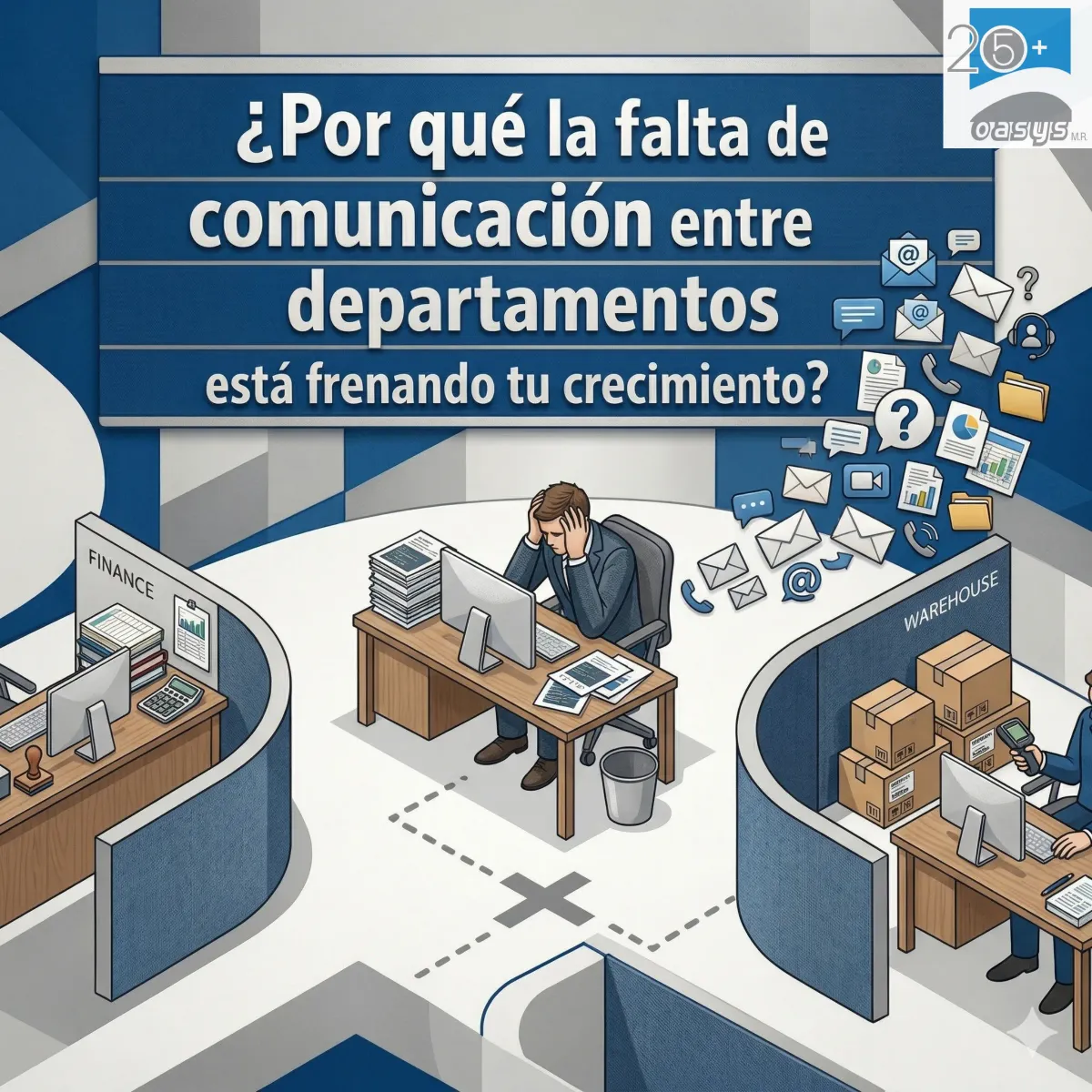
Why Poor Communication Between Departments Is Holding Back Your Growth
Disconnection between departments can cost up to $26,000 per employee per year. An ERP breaks down those silos.

Ghost Inventory: The Invisible Cost of Not Having a Real-Time WMS
Ghost inventory accepts orders you cannot fulfill. A real-time WMS eliminates this invisible discrepancy.
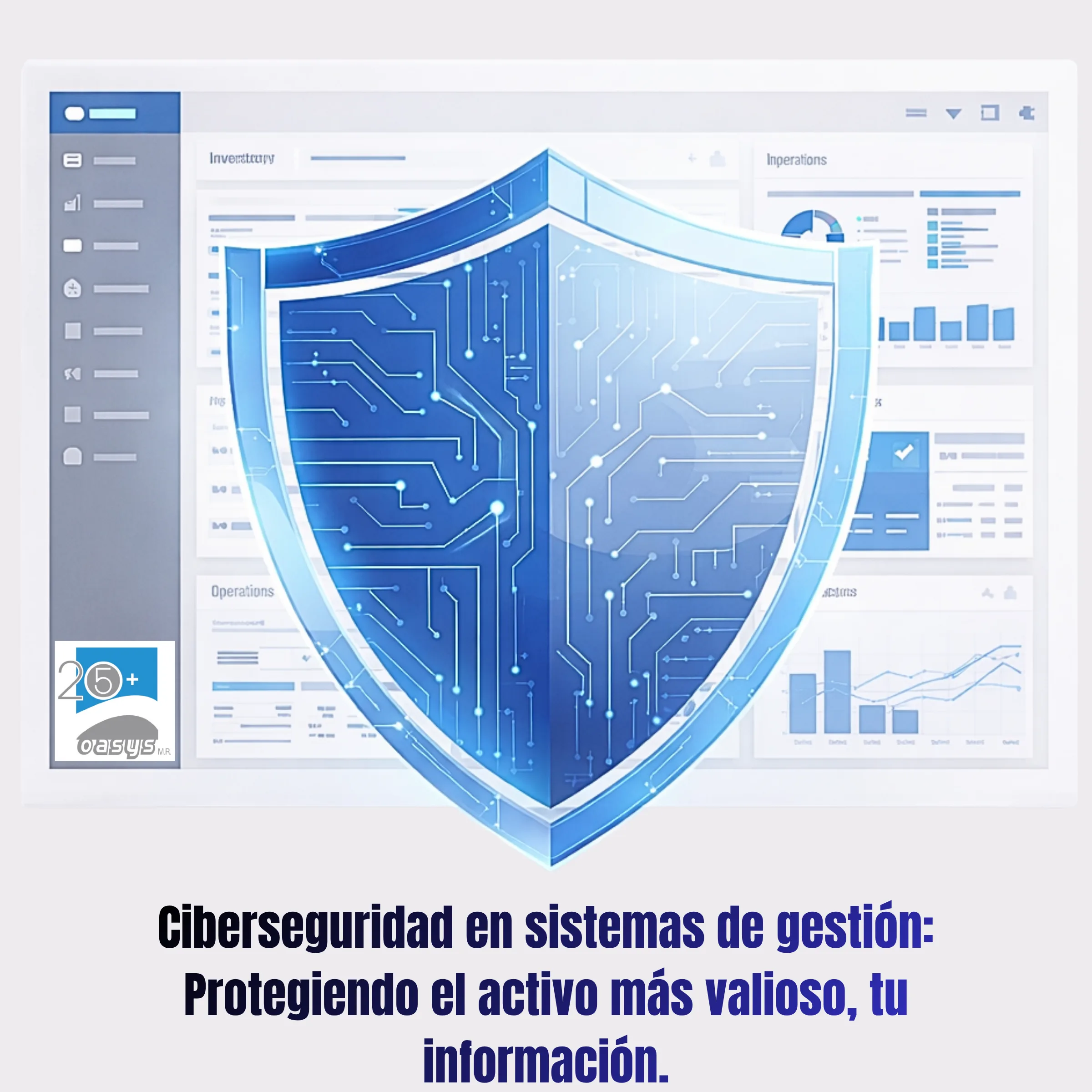
Cybersecurity in Management Systems: Protecting Your Most Valuable Asset, Your Information
Access controls, encryption and automatic backups: the three pillars that shield your operation against cyberattacks.
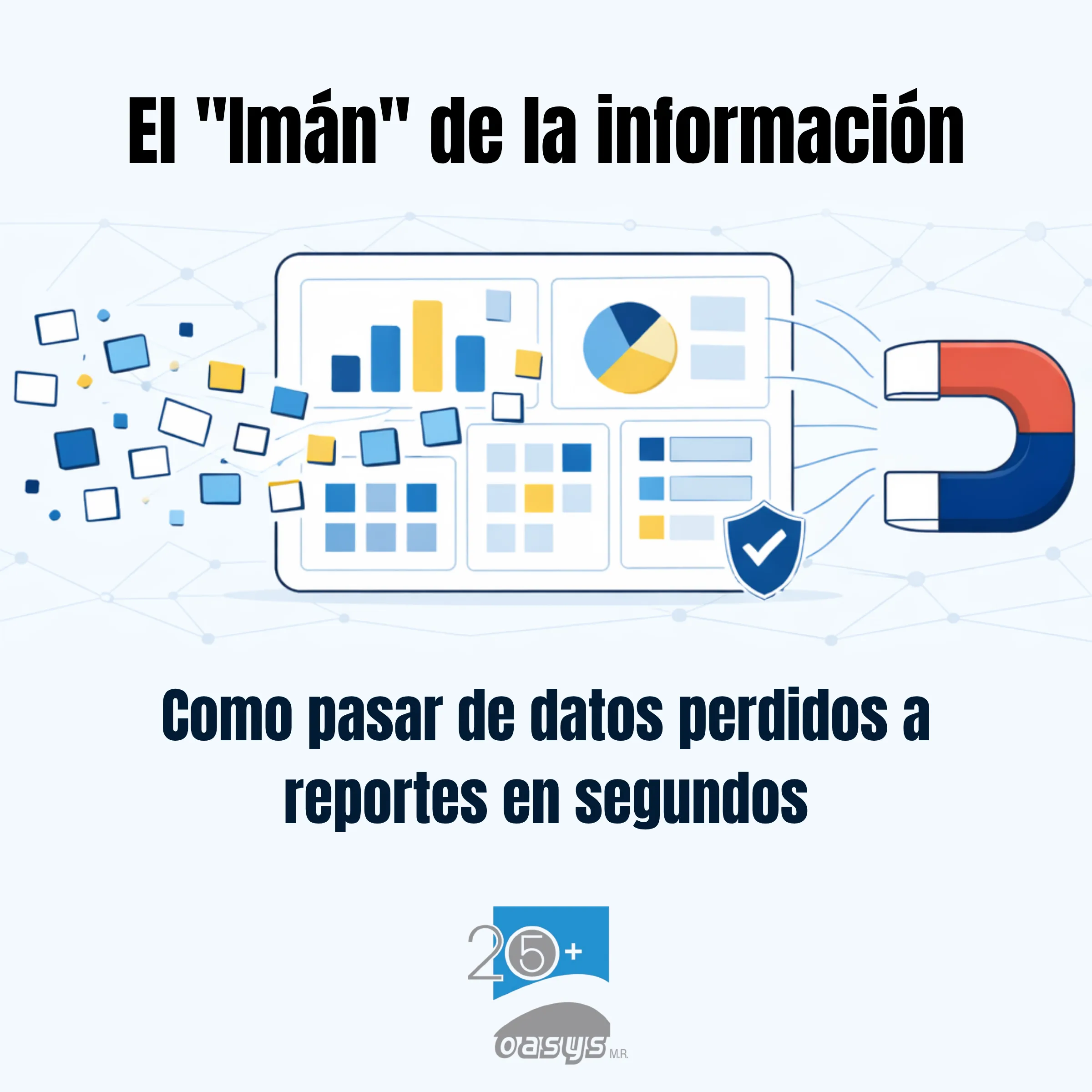
The Information Magnet: From Lost Data to Reports in Seconds
When information is scattered across spreadsheets, making decisions is a gamble. An ERP solves that.
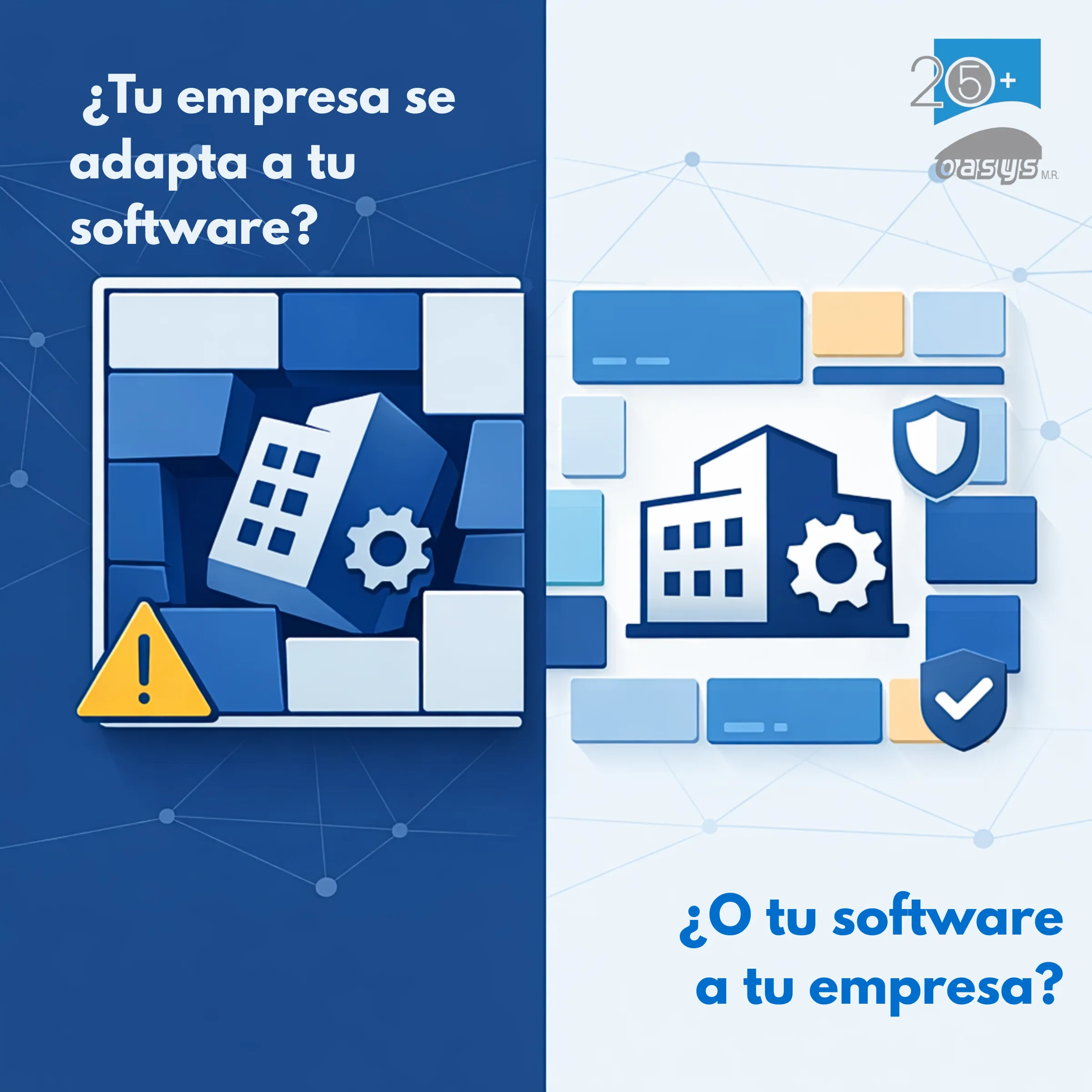
Does Your Company Adapt to Your Software, or Does Your Software Adapt to Your Company?
Does your company force its processes to fit the software? Find out why the software should adapt to you.
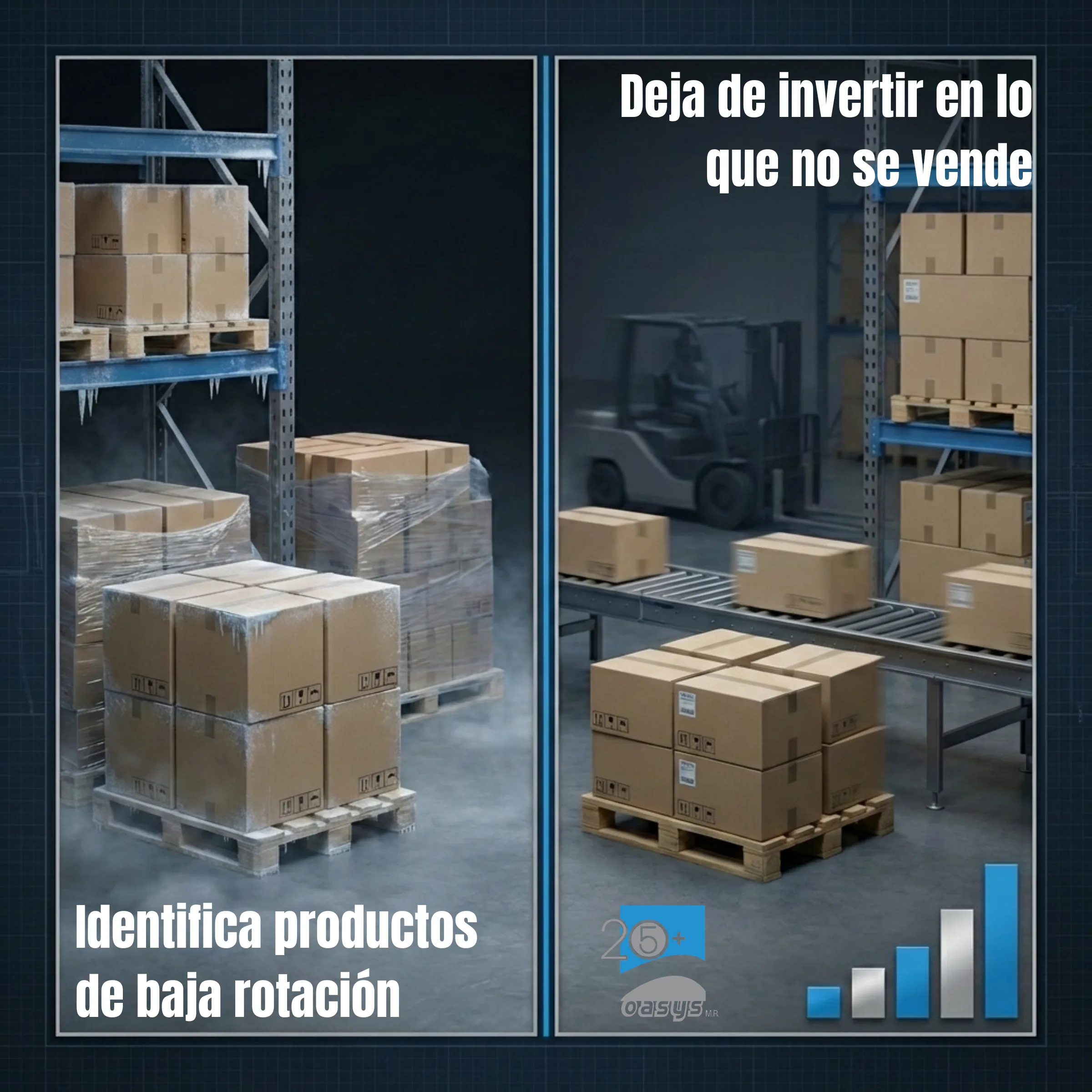
Identifying Low-Rotation Products: Stop Investing in What Does Not Sell
Automated ABC analysis identifies non-moving stock to free up capital and improve your liquidity.
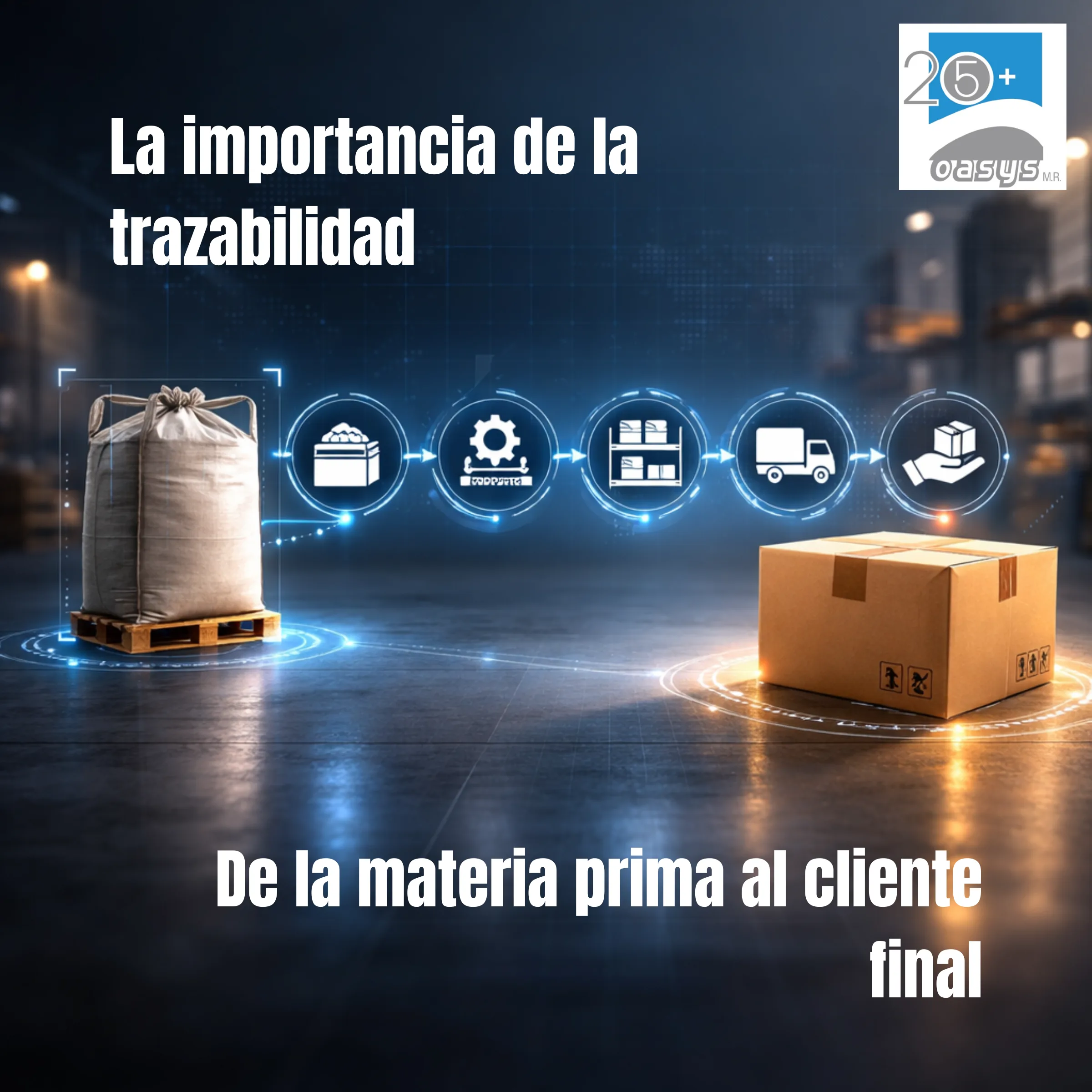
The Importance of Traceability: From Raw Material to the End Customer
Full traceability protects your reputation, simplifies audits and gives you total quality control.
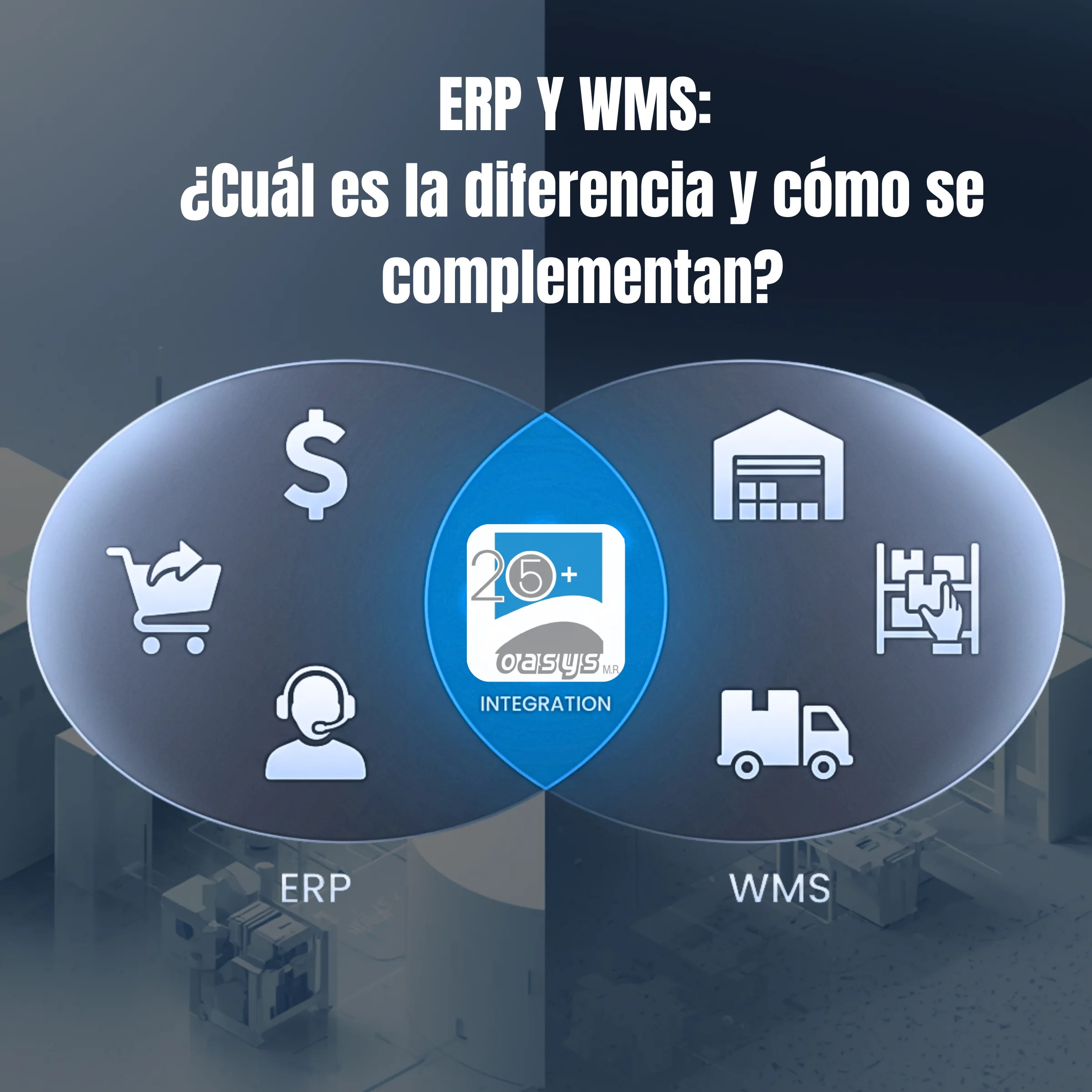
ERP vs. WMS: What Is the Difference and How Do They Complement Each Other?
ERP and WMS are not the same, but together they are unbeatable. Find out what each does and why you need both.
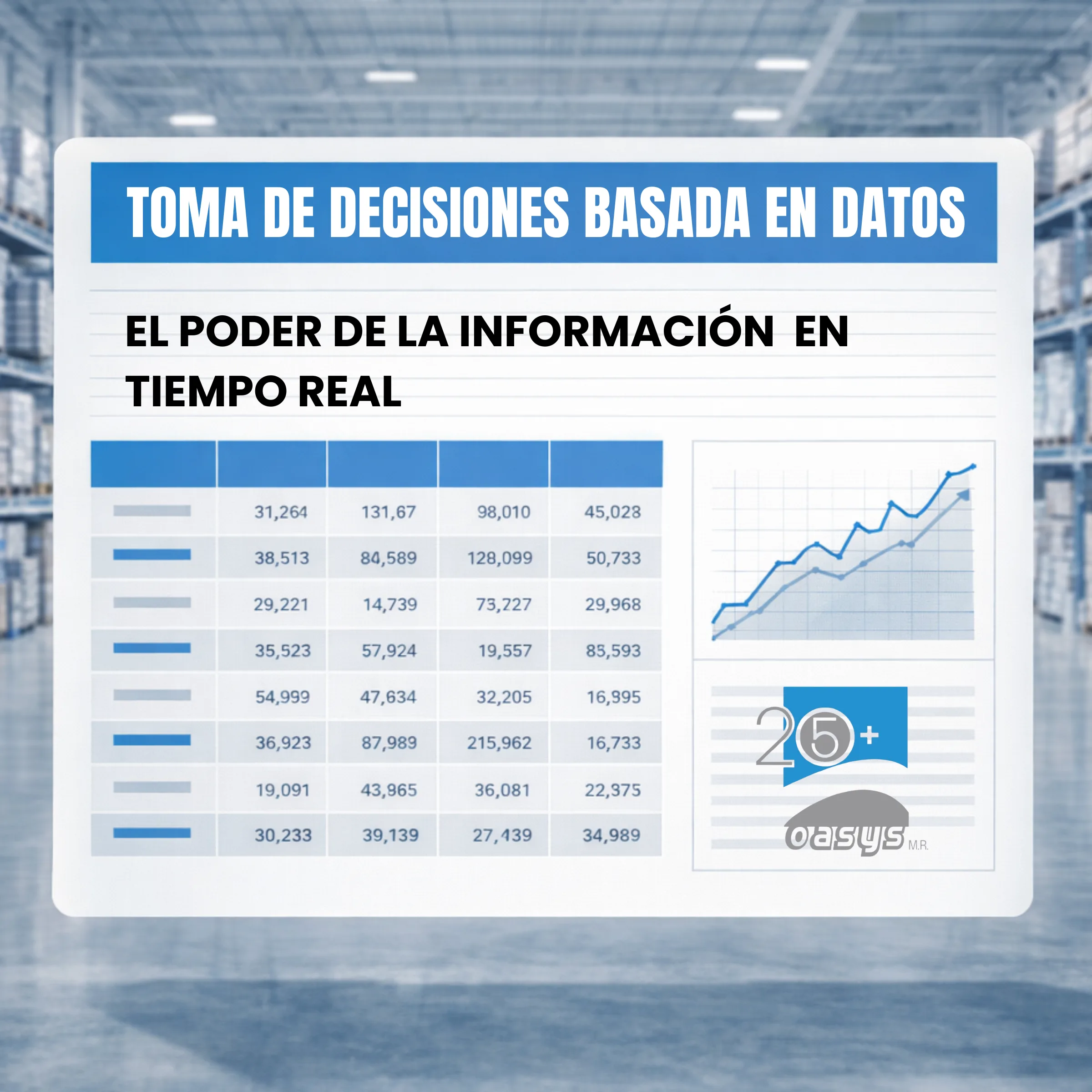
Information-Based Decision Making: The Power of Real-Time Reports
From static reports to real-time dashboards: how instant visibility transforms your company.
How to Reduce Your Operating Costs by Up to 20% With Automated Inventory Control
Automating inventory control can reduce operating costs by up to 20%. Find out where those savings come from.
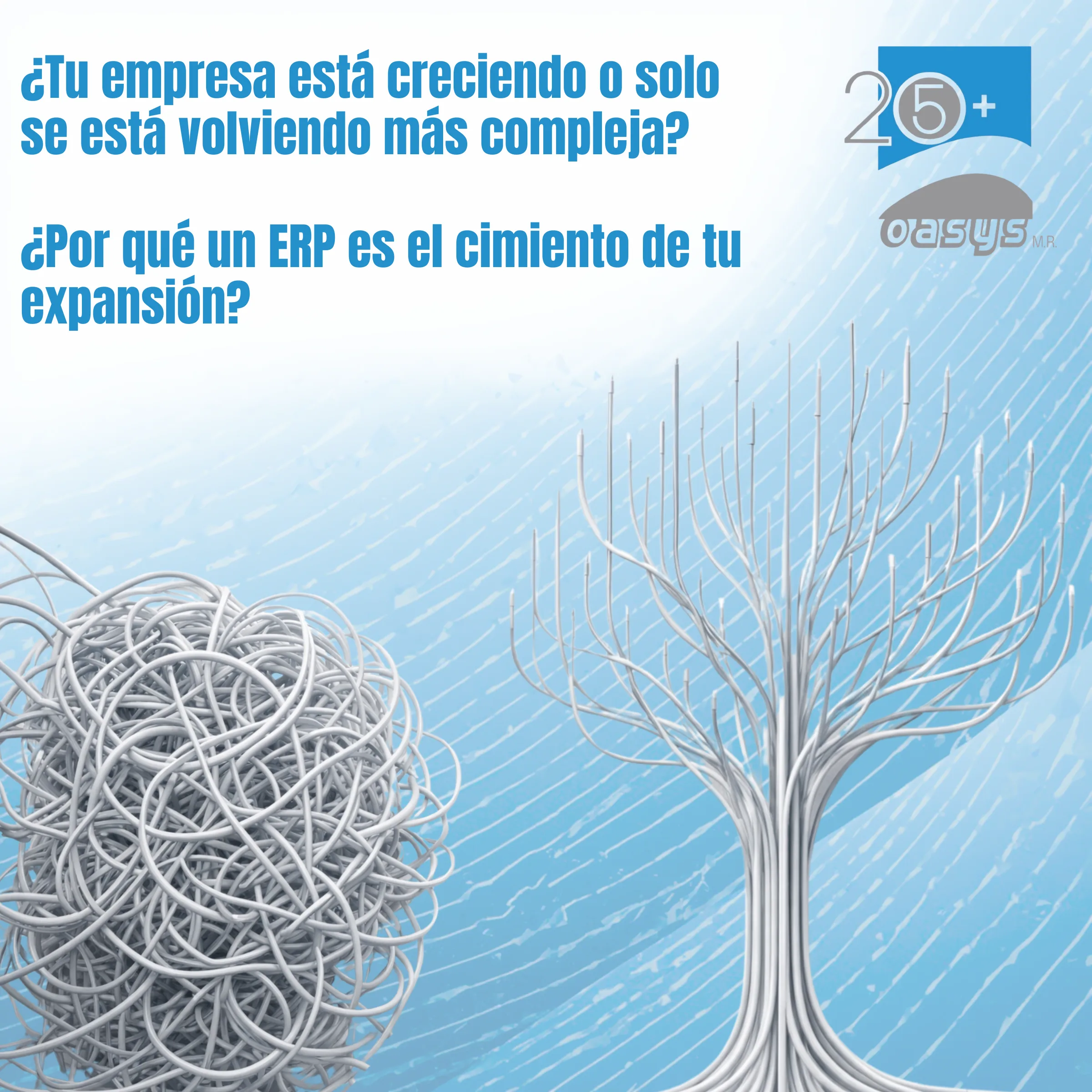
Is Your Company Growing or Just Getting More Complex?
More sales but more chaos: how an ERP converts complex growth into orderly expansion.
5 Clear Signs Your Warehouse Needs a WMS
Does your warehouse operate without a WMS? These 5 signs indicate you have already hit the limit of manual management.
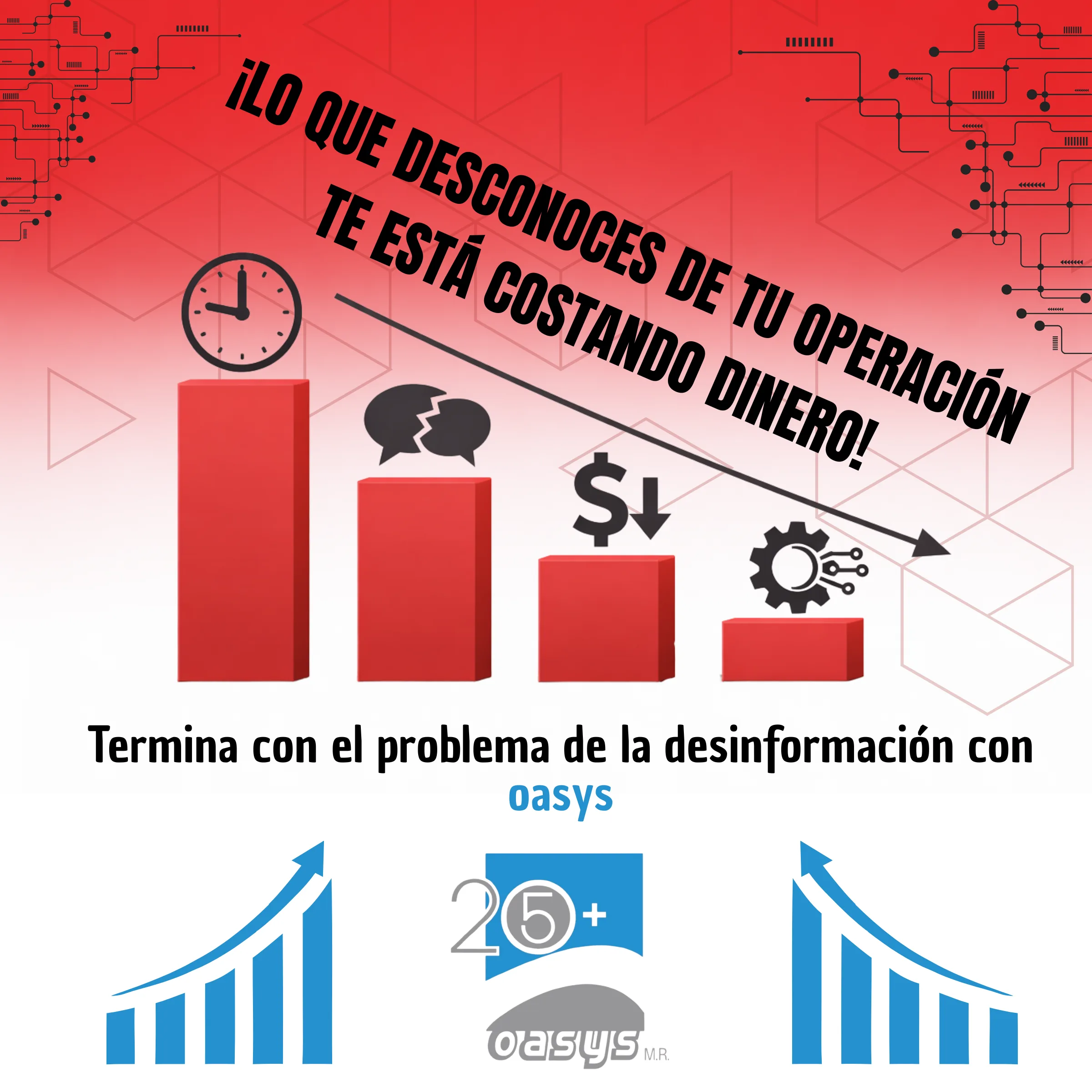
What You Do Not Know About Your Operation Is Costing You Money
Warehouse errors and stockouts are silent leaks. Learn to make them visible and stop them.
What Is an ERP and Why Does Your Business Need One Before Continuing to Grow?
How an ERP centralizes your operation and why implementing it before scaling is key to growing with control.